Want to Stop Punishing Your Kids? Here’s How.

So, you’re on-board with Peaceful Parenting. You try to co-regulate with your kids, empathize, and collaborate with them toward solutions that are mutually beneficial. You’ve been cognizant of your attitude and you’ve been working toward remaining calm most of the time. But, then something happens and you snap. You yell or you spank or you threaten or otherwise forcibly control your child, even though this isn’t who you want to be.

I hope you’re not looking at me thinking that I’ve got it together. That I must never yell or act out in a non-peaceful way. Nope. I’m working toward being a Peaceful Parent just like you are and stumbling all over myself along the way. Here are some of the things I’ve committed to that have helped me push forward.

Punishment Rejection Action Steps

1. Start With a Choice. You have to decide before you ever get angry what your limits are. Yelling is my vice. It’s deeply ingrained from my childhood and it is the language of my hot temper. But, yelling is a punitive act. We use our adult voices to suppress and control our children, leaving them with unseen scars. It may not be as clearly punitive as time out or spanking, but it is undesirable as a tool in our Peaceful Parenting kit. What’s your go to? What punishment do you turn to when you feel you can’t bear anymore? Make a commitment right now to stop. Draw the line in your mind and say, “I will not fall back on this action.” Even if you do it again, reinforce your belief that your actions are unacceptable and then try again the next time.

2. Engage in Prevention. As you may know if you’ve been following my posts, I am a big advocate of the Three Rs: Regulate, Relate, Reason. When my children begin to dysregulate, I intervene then. I try not to wait for the situation to escalate. Most of the time, prevention also helps me avoid dysregulating myself. It gives me a chance to get a grip on my emotions and fully invest in the moment when my kids need me most.

3. Have a Game Plan. Decide, in advance, what it is you’re going to do when you’ve gotten to a point where you’re about to blow your top. The Learning Parent SG put together a fantastic series on what she does as she nears her breaking point. She calls her approach, “Reactive Distancing.”

During a calm moment, take some time to put your game plan together. Decide what it is you can commit to doing when your thinking mind begins to struggle.

4. Think Like a Child. Ever notice how small children go from huge emotions to giggling in no time flat? They aren’t weighed down by the self-judgment and mental turmoil that adults experience. A dear friend of mine told me she takes a cue from Daniel Tiger. When she starts to feel dysregulated, she says, “If you feel so mad that you have to roar take a deep breath and count to 4.” As she counts, her jaw and fists start to relax, and she finds she’s more able to breathe. Then, she makes an effort to speak to her children in a neutral way in an effort to de-escalate the situation. Sometimes neutral is the best she can do and sometimes she’s able to nurture. Either way, she and her children both benefit from her efforts. She shared that she’s learned how valuable things like hugs, cuddles, and tickles can be as she works toward co-regulating with her kids. Play is always called for when tensions are high.

5. Do the Hard Work on Yourself. Our reactions are not the fault of our children. They are the result of a lifetime of experiences and the neurotransmitter conditioning our brains have undergone. Many of us could improve our situation by shifting to a more positive outlook to build emotional resilience. “Thinking positively” is absolutely NOT the only answer to resolving our lifelong triggers, but it is one action we can take. We can also find a therapist, exercise regularly, reframe negative situations, and relinquish some control.

6. Never Stop Trying. Every time you choose to be gentle with your children, you are reinforcing to your own psyche that what you’re doing is good and it’s achievable. Even when you mess up, and oh will you mess up, brush yourself off and make a better choice at the next opportunity. Parenting is about relationship. When we push our kids away with our attitudes, we have to focus on reconciling and confirming to them that the issue is us not them. In the backs of our minds, we have to give ourselves grace enough to say, “I will do better next time” and really mean it.

I yell less than I did a year ago and still less than I did a year before that. Things are improving over time and, before too long, I will consistently react neutrally when members of my family touch a raw nerve. That’s my commitment to them and to myself. What are you willing to commit to today?

What Christians Get Wrong About Sparing the Rod

Trivia: Where does the phrase, “Spare the rod, spoil the child” come from? If you said the Bible, you’d be dead wrong. In fact, when you learn where it’s actually from, you’ll probably not want to use that phrase anymore.

“Spare the rod” is a line from a 17th century poem called Hudibras by Samuel Butler that mocks Christian values. (Check out Part 2, Canto 1, line 844.) In this erotic poem, a man is trying to woo a woman who encourages him to submit to aphrodisiac flagellation. The “rod” serves a double purpose, both referring to the whipping and to his penis.

Jokes aside, I figure that’s not what most people intend when they use this humorous phrase. They’re probably referring to Proverbs 13:24 which reads, “Those who spare the rod hate their children, but those who love them are diligent to discipline them.” (NRSV) There has been much pushback from scholars who have conducted word studies on this passage. In short, reading this verse in its original language clearly indicates that the “rod” is a source of guidance and protection rather than punishment. Dr. Stacey Patton provided a fantastic overview via Facebook in 2016 and others have done similar work.

I won’t belabor this perspective, as it has been well covered elsewhere. The purpose of my piece is to talk about why Proverbs exists in the first place, with all of its apparent contradictions. For instance, in one place, we see what looks like an admonition to beat children with the rod of correction, while another verse declares that “a soft answer turns away wrath, but a harsh word stirs up anger” (Proverbs 15:1 NRSV). So, which is it? I’m glad you asked!

The book of Proverbs is the second book written by King Solomon, which is chock full of practical advice. Each piece of wisdom is intended to be thoughtfully considered and wrestled with. It is not enough to accept the surface meaning. Insightfully, Torah.org explains of Proverbs, “Much can be learned about the human mind by thinking about why two particular ideas were placed next to each other; why this verse would have been just like the last one… except for that small, almost insignificant difference and what the words actually mean. One can learn how to decide logically between two choices, how to make use of experience to avoid repeating mistakes and from what to stay away while chasing after a goal.”

The underlying mission of Proverbs is to communicate the wisdom of King Solomon, who is referred to as the wisest man to ever live and who still inexplicably fell victim to foolishness. Proverbs illustrates how futile it is to try to put God into a box or to claim wisdom unparalleled for ourselves as though we are not prone to the same faults that plagued King Solomon. Verses in Proverbs are juxtaposed in order to draw out the essence of truth, not just the literal meaning of the words. And, King Solomon utilized the same exaggeration and figurative language in Proverbs that we see throughout the Bible. These rhetorical devices serve the purpose of highlighting degree of importance, and it takes careful consideration to discern just how literal of a read we should be applying to any given verse.

It’s especially important to understand that truth and accuracy were not synonymous at the time Proverbs was written the way they are today. Take the example of the two competing creation stories in Genesis, both of which were intentionally placed together and both of which serve humanity’s understanding of the “why” behind our creation. Critics of Abrahamic faiths point to seeming contradictions throughout the Bible as evidence that the Bible is unreliable, not understanding the spiritual value imbued in these differences. Modern Christians must become comfortable with biblical truth not necessarily coinciding with a literal reading. If we fail to do this, we miss important contextual cues that the Hebrews would have instinctively understood through cultural conditioning.

If we’re going to take Proverbs seriously, we have to do so on the terms of its originating culture, which means we must consider what the Rabbis said. And, we know what the Rabbis said because we have a book of oral tradition: The Talmud. The Talmud is a compilation of rabbinic discussion on the Torah, and it is composed of two parts. First, there is the Mishnah, which is a compendium of oral law. Second, there is the Gemara, which comes in the two versions (Babylonian and Jerusalem), and is a record of rabbinic discussions around topics in the Mishnah. The Mishnah was standardized over the course of many centuries.

Rabbi Jack Abramowitz of JewInTheCity.com elucidates the relevance of the Talmud in any discussion of spanking that references Proverbs 13:24. He explains:

…are people taking this verse too literally? How do the classical commentators explain it? Disappointingly, though perhaps not surprisingly, most of the commentators understand that it isn’t a metaphor, it literally refers to disciplining one’s child. But that still doesn’t mean that one should strike one’s child with a stick. In fact, it very much doesn’t.

You see, the Torah was written to be understood by the audience that received it. It speaks about loading donkeys, oxen treading grain, and women delivering babies on birthing stools – things to which most of us cannot relate. It doesn’t talk about DNA or black holes or flatscreen TVs because these are concepts that would have been incomprehensible to the original recipients. Similarly, if King Solomon (the author of Proverbs) wanted to discuss disciplining children, he was going to use corporal punishment as his illustration because time-outs didn’t exist, and I suspected that neither did grounding or docking allowances.

This is not just wishful thinking on my part; let’s examine the sources.

First of all, striking another person is seriously frowned upon in Judaism. Deuteronomy 25:3 tells us that someone sentenced to the penalty of lashes may not be struck more than the designated amount (a maximum of forty lashes). First the Torah tells us that “the wicked one deserves lashes” (25:2), but then we are told that we may not exceed the court-imposed amount because if we do, “your brother will be degraded.” The Sifre, quoted by Rashi on 25:3, demonstrates that before the punishment is administered, the offender is considered “wicked.” After he has paid his penalty, he is once again called “your brother” and it is forbidden to strike him. If we’re not allowed to strike a convicted criminal more than absolutely necessary, it should go without saying that we may not strike someone who was not so sentenced by the courts – not even if their behavior bothers us!

Striking someone outside of the context of court-ordered whiplashes is actually considered evil. In Exodus 2:13, Moshe asks “the wicked one,” “Why will you strike your friend?’” The Talmud in Sanhedrin (58b) points out that the person is called wicked just for raising his hand, even though he has not yet delivered a blow.

The Talmud in Moed Katan (17a) prohibits a parent spanking an older child, based on the principle that we may not do something that will cause others to sin (lifnei iver). The child might respond by cursing the parent or striking back – both serious sins – and the parent would be responsible for provoking that reaction. The Ritva (13th century) says that “older child” isn’t exhaustive. For sure one may not strike a child above the age of bar or bas mitzvah but, additionally, one may not even strike a younger child who is likely to retaliate in words or deeds. Rav Shlomo Wolbe (20th century) suggested that the cut-off for spanking would be age three.

Rav Wolbe’s position is not a mere concession to modern parenting. Peleh Yoetz (1824) says that even in the case of a young child, if the parents know that his nature is not to accept authority, they should discipline him using calm, soft tones.

True, the Rambam writes that a teacher may strike a student (Hilchos Talmud Torah 2:2) but that very same halacha specifies that he may not use a whip or a rod, but only a “small strap.” (So much for “rod” literalists!) And how big is a “small strap?” The Talmud in Baba Basra (21a) says no larger than a shoelace.

He goes on to explain that the Talmud dictates the strict use of the “gentlest form of effective discipline” and points out that there is no Torah obligation to use corporal punishment on children. None at all. The Torah simply does not condone spanking as punishment for children. King Solomon knew that.

A weak argument can certainly be made that Bible allows for the corporal punishment of children (largely by omission of the topic in the Law), but it is a gross misinterpretation to claim that the Bible prescribes it. What Proverbs demands is that parents coach and correct their kids, so that the children are brought up with values that orient them toward God. Now that we have substantial evidence that spanking is extremely harmful, Christians should honor the book of Proverbs and exercise the wisdom that King Solomon called us to. If you are still unconvinced, consider carefully Christ’s warning about leading a child to harm.

If any of you put a stumbling block before one of these little ones who believe in me, it would be better for you if a great millstone were fastened around your neck and you were drowned in the depth of the sea. Woe to the world because of stumbling blocks! Occasions for stumbling are bound to come, but woe to the one by whom the stumbling block comes! (Matthew 18:6-7 NRSV)

Woe to the adult whose treatment of a child leads that child to hate their parents, their life, or their God!

But, there’s good news. We can bypass the pitfalls inherent in controlling children through violence by rejecting our modern culture’s fixation on punishment and working instead toward fostering the “pleasant words” that are “like a honeycomb, sweetness to the soul and health to the body” (Proverbs 16:24 NRSV). After all, Proverbs 22:6 reminds us that what we teach our children about godliness is what guides them for life… not how effectively we hit them.


Recommended Readings on Gentle Discipline:

Punishments, Consequences, and Limits

Peaceful Parenting Won’t Work on My Child

Self-Assessment on Childism:

The Anti-Childism Scale

Rights Versus Freedoms

Bored in the House?

Try my favorite solution for kids who are in the house bored!

(Shout-out to TikTok for the title.)

Got a basket? A bowl? A delivery box you can decorate? Grab it and let’s make an Activity Chooser.

Start by decorating it if you like. This step isn’t necessary, but it’s fun! Then fill your container with slips of paper that describe an activity your child can do, some of which can be mostly independent and some that should include interaction with you. Stuff your container with these activity slips and give yourself a go-to when your kids start to get active inside.

Have them pick a slip without looking and then do the activity. Once they know what the activity will be, the slip can go right back into the container for the next time.

As they cycle through the ideas you’ve included, they will find some favorites which they can look forward toward in the future. Keep your Activity Chooser fresh with new ideas as you think of them.

I’ve scoured the internet for inspiration and also jotted down some of the things my own kids do. This list will give you a good start at filling your Activity Chooser to the brim. Have something to add? Please let me know in the comments and I’ll post it!

  1. Linen Parachute: Find a flat bed sheet to use as a makeshift parachute to flutter into the air and jump underneath. (Requires at least two people.)
  2. Balloon Garden: Blow up as many balloons as you can and play!
  3. Crab Race: From a sitting position, lift up on your hands and feet with your chest toward the ceiling and go!
  4. Bunny Race: Hop like a bunny all the way across a makeshift finish line.
  5. Dance Party: Turn on your favorite song and get moving.
  6. Old School Game: Pick a game like tag, tug ‘o war, or hide and seek.
  7. Balance Beam: Put a long piece of tape on the ground and can practice balancing and creating a dance routine along the tape.
  8. Long Jump: Place strips of tape on the ground at measured intervals and see how far you can jump from a designated starting place.
  9. Wiggle Race: Hold a plastic cup in your teeth and use it to carry cotton balls from a designated starting point to a bucket at the finish line while wiggling across the floor like a worm.
  10. Spinning: Spin around as fast as you can until you get dizzy.
  11. Paint with Water: Using a paint brush, paint construction paper or even the side of your house/building or the sidewalk with plain tap water.
  12. Make a Fort or Lean-To: Indoors or out, find materials to build a fort or a lean to and do all the construction on your own.
  13. Hula Hoop: Try to keep a hula hoop going for as long as possible.
  14. Use Your Imagination: Create a brand new game all your own and teach your family how to play.
  15. Kids Rule: For this mirroring game, the adults are the ones taking the lead from the kids. Whatever movement or motion you do, the adults around you have to copy.
  16. Spider’s Nest: Navigate a web of tape and string down a hallway without getting stuck or pulling anything down.
  17. Animal Charades: Act like an animal of your choice without saying what it is and let everyone guess which animal you chose.
  18. Follow the Leader: Follow the motions and movements of an adult.
  19. Word Party: Use your bodies to spell out the alphabet or to spell words and have others guess what you’re saying.
  20. Obstacle Course: Complete an obstacle course created by an adult using existing items inside or outside.
  21. Leader Says: With an adult serving as “Leader,” follow instructions only if the adult first says the words “Leader says.”
  22. Scavenger Hunt: Find all the items on a scavenger hunt given to you by an adult.
  23. Carnival: Choose which activity stations you’d like to complete after an adult sets up your very own carnival games.
  24. Bobbing for Popcorn: Eat a bowl of popcorn as fast as you can without using your hands.
  25. Fitness Circuit: Complete each activity on a fitness circuit created by an adult.
  26. Go Fish: Using tools like kitchen tongs or spoons, fish toys out of the water.
  27. The Big Stretch: Follow an adult through a kid-friendly stretching routine.
  28. Limbo: How low can you go when you have to slide under a broom without letting anything but your feet touch the ground?
  29. Big Kid Helper: Help an adult with an activity of your choice that adults usually do on their own.
  30. In the Kitchen: Make a baked good as a family, kids’ choice.

Bonus: If you are looking for equipment to purchase, consider getting indoor items like a tunnel, a rebounder/indoor trampoline, a punching bag/stand, a slide, a pikler triangle, or some of those foam climbing shapes, all of which are great for gross motor engagement.

I hope these ideas give both you and your kids a little break when it’s most needed.

Rights Versus Freedoms

Last week, when I wrote about children’s rights, I was expecting some pushback. Members of a childist culture will obviously struggle to cut through their conditioning… and that includes me. However, I was not prepared for one subset of responses that popped up in several places where my post was shared: accusations that advocating for children rights equates to condoning pedophilia. I was floored. Why would sexual abuse be the first thing that pops into someone’s mind when they consider the rights of children? And, why would anyone put the responsibility on the child and not the adult predator? Clearly, I do not have the answers to these questions, particularly because nothing about what I wrote indicated that children should be left entirely without the guidance and protection of trusted adults.

I do, however, have a response to this incredibly disturbing line of reasoning. Child sexual abuse is happening already in the U.S. where children do not have anywhere near the number of rights that adults have. And, you’ll never guess one of the crucial things we should be teaching our kids to help protect them from predators: children can say no to adults. Many children have never had that opportunity without being punished, so they don’t realize they can use that word when speaking with an adult. Check out this post from the Child Mind Institute for more information on ways we can empower our children to escape from and report attempts at sexual abuse.

Why Childism Matters

Early in my Peaceful Parenting journey, I was debating spanking in a Facebook group. I said, “I don’t hit people” to which a commenter responded, “We’re talking about children, not people.”

Childism isn’t as simple as whether or not you like children. Some people don’t like kids and that’s ok. You don’t have to like kids to believe they should be assured human dignity. [EDIT: I was wrong. It is NOT ok to dislike kids anymore than it is ok to dislike any other entire group of people. That was a bit of residual childism on my part, and I’m accountable for it.] Unfortunately, in the U.S. alone, more than 3 million cases of child abuse are investigated each year and an average of 5 children are murdered every day of the year by caregivers. A sobering report from the U.S. Department of Justice states that, in the previous year, “60 percent [of children in the U.S.] were exposed to violence, crime, or abuse in their homes, schools, and communities. Almost 40 percent of American children were direct victims of 2 or more violent acts, and 1 in 10 were victims of violence 5 or more times. Children are more likely to be exposed to violence and crime than adults. Almost 1 in 10 American children saw one family member assault another family member, and more than 25 percent had been exposed to family violence during their life.” To be clear, THIS IS A HUMAN RIGHTS CRISIS.

Childism is the basis for the abuses children suffer, because childism says that children are not people. Our entire culture is complicit in the abuse of children.

One doesn't have to operate with great malice to do great harm. The absence of empathy and understanding are sufficient."

Charles M. Blow

Defining Rights and Freedoms

In my efforts to speak clearly and accessibly about childism, I neglected to anticipate a common concern many readers would have about the Anti-Childism Scale from last week’s blog post.

I received questions about how to balance equal rights for children with parental responsibility. So, I’ll begin with a very basic distinction between rights and freedoms.

  • A right is a privilege enjoyed by all members of a society.
  • A freedom is an absence of constraints.

The study of rights is so massive and so arguable that it’s difficult to pin down exactly what categories of rights exist. I will attempt to be brief and clear with the understanding that others may not agree with how I’ve broken these down.

Natural Rights: These are the rights we’re born with that need no special dispensation, such as the rights to life, liberty, and so on.

Moral Rights: These are the rights that hold societies together. They may or may not be enforceable by law. Moral rights may include things like the right to be treated fairly, whatever that may mean in the given culture.

Legal Rights: These are rights that are enforceable by law. They are typically moral rights that become codified. Legal rights include things like the right to move through life without being discriminated against, the right to own property, and the right to vote.

(Duties: Where a right is an entitlement, a duty is an obligation. I include this here as an aside to note that children’s rights advocates do not seek equality in duties, such as requiring young children to be subject to military conscription.)

There is tremendous interplay among these categories and rights vary from country to country. It is also important to note that rights can be limited by a society, as in the case of the famous prohibition against using the U.S. Constitutional right to free speech to justify the act of yelling “fire” in a crowded theater. And, of course, there is the matter of incarceration where many rights are suspended (but many remain).

Children’s Rights

The United Nations Convention on the Rights of the Child is a legally-binding collection of 54 articles detailing children’s rights. It was ratified over 30 years ago, so it is not new by any means. To date, it has been signed by 196 countries, including the U.S. (1995). Regrettably, the U.S. regularly violates the agreement, as a country, and does not hold parents to its tenets. For instance, the UNCRC declares that children must be free from violence, yet the U.S. government has not taken a stance against spanking. At the very least, children’s rights advocates would see every child in the U.S. guaranteed the rights dictated by the UNCRC, but there’s so much more we could do.

For example, we could embrace the youth suffrage movement and eliminate the voting age, especially given the fact that “the quality of these citizens’ choices is similar to that of older voters, so they do cast votes in ways that enable their interests to be represented equally well” (Source). And, perhaps surprising, a study out of Scotland that controlled for socio-demographic diversity found that “the newly enfranchised young people in Scotland indeed show substantially higher levels of engagement with representative democracy (through voting) as well as other forms of political participation (such as signing petitions and taking part in demonstrations); and they engage with a greater range of information sources about politics and reflect greater levels of political efficacy.” Kids are brilliant and observant if we give them half a chance to be.

There are certain rights that are extremely sensitive and uncomfortable to debate, like marriage age. In some states in the U.S., there is no statutory minimum age at all with parental consent. In our current, childist culture, allowing parents to marry off their children can be disastrous. However, in a hypothetical anti-childist culture where children are treated with respect, taught appropriate boundaries, and included in all facets of society from childhood, the option to marry at a younger age to a peer would make a lot more sense than it does now. And, when I say “younger age,” I mean teenage. I do not believe young children should have the freedom to marry whenever they please as the risk of harm is far too high. So, their right to marry would need to be limited in this hypothetical culture.

Parental Responsibility

Here’s the really touchy part. Where is the line between a right and a freedom drawn? Freedom is the absence of constraints. Even adults do not enjoy unlimited freedom and children much less so. While a child may not be free to get a tattoo, they have the absolute right to consent to being circumcised or having their ears pierced. And, a tween might be permitted to go on a group date with peers, but should not be permitted to date an adult.

I think that, perhaps, the simplest way to respect a child’s rights while fulfilling our duty as parents to protect and guide our kids is to put ourselves in their shoes. Would we allow someone to rip our clothes off and force us into a bathtub? No? Then, we shouldn’t do that to a child. Would we allow someone to hit us when we make mistakes? No? Then, we shouldn’t do that to a child. Would we allow someone to force us to eat food we don’t want to eat? No? Then, we shouldn’t do that to a child.

Yes, it’s a worldview shift which is what makes all of this so difficult. Most of what I do here in this space is to provide parents with alternatives to doing these things we do to kids but wouldn’t do to an adult. There are other, gentler options for children, including children who are resistant (which I’ve written about). And, until we get to the point where our relationship with our kids leads to mutual cooperation, there will very likely be times when we apply force. It’s far from ideal and it is certainly not respectful of children’s rights, but as a culture, we’re just not there yet. Individually, we may have more success or less success.

What Does Anti-Childist Parenting Look Like?

The reality is that we all come to parenting with a perspective that has been informed by our upbringing, our culture, our stressors, and our wounds. People have legitimate reasons for doing the things they do, including all the things I encourage parents not to do. What I try (and probably often fail) to do in my writing is to acknowledge the thought process and validate the parents’ needs while simultaneously advocating for children. I’m looking to help families heal whatever needs attention between parents and their kids so that, together, they can move forward in an enduringly positive bearing.

I can see a situation and grasp why a parent might react in an aggressive way toward a child. I want to offer the space to deconstruct what is happening in that parent’s life that led to the moment in time where they were at odds with their child. Is the parent struggling financially? Is the parent a member of a people group that experiences constant discrimination? Does the parent have a combative relationship with the children’s other parent(s)? Is the parent completely overwhelmed with no help? Are there other factors at play that make responding peacefully seem completely impossible? Does the parent honestly have no idea what else to do? Yes, often, and I’m empathetic to the struggle. It’s tough out here.

I’d like to share a little of my own experience here to illustrate why I am so deeply committed to the Peaceful Parenting philosophy. It’s a daily effort to choose a de-escalated response even when I’m barely holding it together. That part is so hard for me but the payoff is extraordinary. These are some common issues that frustrate many parents but aren’t a battle in my house (and I’ll explain why!):

  • Car Seat Safety
  • Toothbrushing
  • Bathing
  • Trying new foods
  • Choosing clothes/getting dressed
  • Diapering

They are not issues in my household, because we’ve never made them an issue. My kids have always had the right of refusal 99% of the time. It’s just not a big deal, so they don’t make it one. They do these things willingly and without much effort on my part. That said, we do have other struggles and, as a Peaceful Parent, limits are a necessary aspect of my approach. So, please, understand that I am not saying children should, or even could, be given unlimited free rein.

Because I believe deeply in equal rights for kids, I work toward becoming a Subverter in every interaction I have with children. Here are some of the ways I acknowledge my children’s individual personhood and preferences:

  • I’m patient with my kids and I give them lots of time both to respond to me and to switch gears when we need to do something else.
  • I don’t tell my children how they feel (“Oh, you’re ok”).
  • I don’t mandate manners.
  • I assume competence and I don’t jump in to save the day while they’re problem-solving.
  • I invite my children to handle delicate things, work on a hot stove, and use adult tools (all with supervision of course) because involving kids helps them build skills and understand safety.
  • I include my kids in my daily life and expect them to share family responsibilities.
  • I don’t require my children to clean alone. This may seem an odd point, but I struggled so much as a child when my parents told me to clean my room because I didn’t have the executive functioning skills to figure it out. So, with my kids, I’m present to help them when they need guidance well before they become frustrated.
  • I acknowledge that the things they believe are important are as critical as the things that are important to me. If my child accidentally breaks a toy, I know their strong feelings about it are equivalent to how I’d feel wrecking my car. It’s a big deal.
  • I don’t manipulate (“I’ll cry if you don’t give me a hug!”), threaten (“If you don’t stop right now, it’s time out for you!”), or coerce (“Be a good girl and pick up your toys.”)
  • I encourage my children to say no to me and to negotiate.
  • I don’t want obedient children. I want wise and cooperative children who are self-motivated.
  • I don’t bribe or use rewards of any kind.
  • I respect my kids’ property, space, and privacy.
  • I don’t prank or laugh at my children unless they are clearly in on it.
  • I don’t force my children to eat anything. No “You have to try one bite.” No “You won’t get dessert if you don’t eat!”
  • I expect my children to have their own interests, have emotions, need time to rest without my interference, and resist my agenda/schedule for their lives.
  • I don’t relish time away from them because they annoy me. I don’t blame my children for my emotions. I do appreciate self-care and time to myself because it’s good for my health.
  • I respond to undesirable behavior with the Three Rs to help my children find their peace instead of punishing them or otherwise further escalating their heightened emotions.
  • I don’t make excuses for my behavior if I treat my kids poorly (“You made me angry, so I yelled.”). Instead, I readily apologize and make amends.

Now, read back through that list but imagine I’m talking about my husband. Wouldn’t it be pretty much a given that I shouldn’t treat another adult any other way? Of course! Once I understood that, seeing my kids as equals in my humanity became easy. Kids are people, y’all.

Last week, many readers saw the line under the “Subverter” description on the Anti-Childism Scale that says, “children deserve equal rights as adults,” and missed, or didn’t understand, the part that says, “children have varying capacities to manage freedoms.” I hope everything I’ve explained here helps to clear up any misconceptions about the Anti-Childism Scale and my position on children’s rights and freedoms.
The Anti-Childism Scale

If you’re not familiar with childism, you aren’t alone. Most of the people I talk with aren’t familiar with it. Some even scoff at the idea as though the concept of prejudice against children is so preposterous, it could not possibly exist. If you’re struggling to see how we systemically discriminate against children, consider the following ways, as described by Happiness is Here, in which we treat children differently from adults:

It’s every time a parent is asked ‘is she hungry?’ or ‘does she like strawberries?’ instead of the question being directed at the child who is very capable of answering.

It’s every time a child’s emotions elicit laughter instead of empathy.

It’s withholding food/water/affection until a child says ‘please’ to satisfy an adult ego.

It’s adults believing they have the ‘right’ to physically punish people because of their age.

It’s countries where hitting children is legal and there are guidelines as to where and how you can smack them. Guidelines for hitting your wife would be abhorrent, but age somehow changes perspectives.

It’s a general intolerance for childish behaviour interfering with an adults desires, and the view that children should be ‘seen and not heard’.

It’s adults making decisions about cosmetic alterations to their child’s body such as circumcision, ear-piercing, haircuts, without consent.

It’s forced affection or ‘give me a cuddle or I’ll be sad and cry’, sending the message that a child does not get to make decisions about their own body.

It’s whenever a child’s photo is posted online in an effort to shame them as a way of getting them to submit to an adult’s will.

It’s adults who believe they deserve automatic respect (most often defined as ‘obedience’) for nothing more than their greater age.

It’s children’s emotions being dismissed or stifled for adult comfort.

It’s every time children are talked about in a conversation as though they are not even in the room.

It’s rejoicing in their absence when it’s back-to-school time.

It’s developmentally inappropriate coercive education systems.
It’s finding it acceptable to use punishment and rewards to manipulate a person’s behaviour to meet your needs, if that person is a child.

It’s a world where there are books, tv shows, and blogs devoted to teaching parents how you can ‘train’ your child, often by means of ignoring their needs.

It’s needing research to prove that abandoning a child so that they will learn to ‘self-settle’ is detrimental, instead of just treating babies like humans.

It’s reading this list and dismissing it as ‘over the top’, ‘ridiculous’, or ‘not a big deal’.

By Sara at Happiness is Here

The term childism was coined in the early 1970s after which it remained a relevant concept within the realm of children’s rights. However, the term didn’t really enter mainstream discourse until the late psychotherapist and children’s rights activist, Elisabeth Young-Bruehl, wrote her groundbreaking work, Childism: Confronting Prejudice Against Children, which was published posthumously in 2012. Her mission in proposing that our culture adopt the word childism was not to “launch an inquiry into prejudice against children” but rather to establish a term that would “have political resonance, something that [could] operate as sexism did to raise our political consciousness” (page 8). According to Darcia F. Narvaez Ph.D., Young-Bruehl’s solution to childism can be summarized in four actions:

  1. Understand the ideas and institutions that perpetuate childism. See how it is manifest in individuals, families, institutions and the wider culture.
  2. Educate society about the causes and meanings of these prejudices, and the harms they have done and continue to do.
  3. Create program [sic] to repair the damage of childism, secure the progress that has been made and continue to work to eradicate the prejudice.
  4. Demand full and equal civil and political rights for children.

Here, I need to pause and explain a disagreement among children’s rights advocates. Some people take issue with the way Young-Bruehl defined childism. They prefer the term adultism to mean “prejudice against children,” and they view childism as akin to feminism in that it is a term of empowerment for children. While I understand the arguments for using childism in this way, my fundamental disagreement rests in the systemic nature of childism which I use as akin to sexism. Children can both reinforce and internalize prejudice against themselves in addition to that prejudice being levied by older people. I believe that the term adultism risks suggesting that the issue is adults disliking children. That is not the case. Childism requires a cultural breach of humanity and is bolstered by harmful influences like White Supremacy Culture. You may disagree with me and that’s ok, but I do want to make clear why I use childism in the way I do.

Origin of the Scale

I’ve been thinking about developing an anti-childism scale for years. It’s been a long time coming. I initially got the idea from the work of Dr. Barnor Hesse, Associate Professor of African American Studies, Political Science, and Sociology at Northwestern University, who produced a scale of white identities that increasingly cultivate genuine anti-racism. For a text version of this list of The 8 White Identities, check out this post.

Based on Dr. Hesse’s work, I set out to form a similar scale toward the neutralization of childism that borrows from the Transtheoretical Model to foster growth and behavior change.

My scale is meant for personal reflection and self-improvement purposes only. I would be disappointed to see it used as a weapon against people who do not agree with my belief system. My hope is that it will get people thinking and give them an idea of where they stand with respect to embracing or rejecting childism.

The Anti-Childism Scale

The following six identities increasingly represent an anti-childist worldview and indicate the level of action a person is willing to take in opposition to childism.

  1. The Dominator: Believes children must be controlled by adults and must be respectful of adult authority. Grants only minimal rights to children.

The Dominator aligns with traditional cultural values in which children effectively live their lives at the pleasure of the adults around them. This person has no insight into their own childism. Moving from this stage may prove the hardest as such movement requires a significant worldview shift.

  1. The Inquirer: Questions the power dynamic between children and adults and is open to discussion. Continues to behave as Dominator-lite.

The Inquirer has realized something isn’t right and works to determine if childism is worth investigating or if it is nonsense. Moving through this stage may be frustrating as it sits on the cusp of full understanding.

  1. The Convert: Accepts that children face discrimination at the hands of adults. But may be uncomfortable taking action beyond discussion.

The Convert is the first stage of intentional anti-childism work. This person is convinced that childism is unacceptable but is either uncertain or uncomfortable taking action. This person likely discusses actions and attitudes toward kids and validates the reality of children’s lived experiences.

  1. The Critic: Regards children as deserving of protection from discrimination. Expresses beliefs when safe, but may not speak out when the cost is too high.

The Critic wants to help and is willing to speak up if doing so will not result in blowback. For instance, Critics may debate childism online but may not speak up in real life even when they know something is wrong. Moving from belief to action can be scary, but this person is making progress.

  1. The Embracer: Recognizes children as equals in humanity and chooses inclusion whenever possible, even in the face of open criticism. Retains unexamined childism.

The Embracer actively advocates for kids and speaks up no matter who is listening. This is a transitional stage where we learn how to do what needs to be done and gain the courage to do it.

  1. The Subverter: Elevates children in word and deed, believes children deserve equal rights as adults, understands that children have varying capacities to manage freedoms, meets children where they are, and encourages others to do the same. Seeks out and actively resolves internalized childism.

The Subverter is a powerhouse for kids, working alongside children rather than in place of them. This person understands that children are not helpless or unaware. As such, the Subverter seeks out the needs and wants of children and works toward true allyship. This is the person who speaks up when others don’t and boldly treats children with respect even in the face of chastisement from other adults. This person works to change societal views toward children and undermine institutional childism. This person is capable of starting a chain reaction up The Anti-Childism Scale and effects change through discussion, action, and activism to help others achieve elucidation.

Working Through the Scale

The Anti-Childism Scale is not strictly linear nor is it neat. There is transmutational space between each of the identities where we work through the discomfort of growth and struggle against our fears. Even as we take big steps, we will have moments when we slip back into a more comfortable state. It’s crucial to remember that this is not an all-or-nothing metamorphosis. Our choices matter, moment-by-moment, for life. Each new stage we enter brings us self-awareness and self-improvement, and it elevates children at the same time.

Some of the things we can do as caring adults to ensure the rights of children are:

  1. Read and understand the 54 “Rights of the Child” as adopted by the United Nations. These are children’s most basic rights. We can do even better with a little effort.
  2. Share the 54 “Rights of the Child” with our children so that they understand the standards to which they should hold all adults.
  3. Consider how our choices affect our children and ask them for their input.
  4. Respect our children’s names and avoid using them as a threat. (Most of us know what it means to be called your full name by a parent.)
  5. Accept our children’s unique identity and genuinely see who our children really are.
  6. Listen to our children’s opinions and be open to negotiation.
  7. Recognize that children are intelligent. Assume competence and protect our children’s freedom of expression.
  8. Give our children adequate privacy and access to information. Where issues of safety arise, work it out with the child, not for the child.
  9. Find ways to teach and coach our children that do not involve punishments.
  10. Provide our children with ample opportunities to play and rest.

I hope I’ve given you something to think about. You can expect more posts from me on childism and how to root it out. For now, I’d love to find out where you see yourself on the scale. And, of course, please feel free to share it to give others the same opportunity for self-exploration.

Check out the post Rights Versus Freedoms for a deeper dive.

“It’s Not About You”

Last week, I was dutifully scrolling through my Facebook feed to check in on my friends and see if I’d missed important updates while I had been adulting in real life. I stopped when I saw a post from my close friend, and fellow Peaceful Parent, that started out raw and never let up. She had laid her soul bare right there on the screen.

As I read her palpable words, thoughts welled up in my mind. I recalled being spanked as a child and questioning whether my parents truly loved me. How could they hurt me like that and say “I’m doing this because I love you” moments later? I couldn’t comprehend it. As a parent myself now, I understand how hard it was for them to manage their own emotions and parent two small children at the same time. But, the sadness still lingers even to this day.

Reading my friend’s words helped me to see clearly how much effort it truly takes to choose the peaceful path. So, I asked her if I could share her words here, anonymously, and she graciously consented. I hope her words touch your heart as they have mine.

She shut down as we were walking to the bus and my rage flared.

How dare she. Doesn’t she see that I’m trying my best? I have been nothing but transparent. Does she not know how hard I’m trying?!

She stomped toward the back of the bus and I fumed silently behind her. She sat in an empty single seat and I raged past her to a seat where I could still see her. My inner world raged and I glared at her. She angrily stared straight ahead and looked miserable.

I looked down at my phone for a distraction.

When I looked up, she’d fallen asleep.

The angry swirl of voices coagulated to a single whisper: “it’s not about you.”

_____________________________________________

The most important and trickiest part of peaceful parenting for me is regulation.

Before I knew of this way of parenting, I knew that I could never beat or spank my child. Aside from my personal trauma of having that experience, it simply never made sense to me. I knew that if I was hitting my child, I would be in a state of anger. That never sounded right to me. And then, if I’m no longer angry, would I be emotionlessly hitting my child? Somehow that sounded even more terrifying.

You can’t peacefully parent if you are dysregulated. You can peacefully parent a child when they’re dysregulated – only if you’re committed to peacefully helping them regulate. And let me tell you, this shit suuuuuuuuuuuuuuuucks.

Feelings have so many meanings attached to them. Analyzing those feelings to achieve regulation requires constant self-awareness. My dysregulation as a parent is laden with generational trauma. How DARE she disrespect! How dare she disobey! Does she know what would’ve happened to ME if I EVER did that?!

The middle layer is usually a feeling of the present – annoyance, exhaustion, hunger, etc. The top layer is the saltiness of recognizing my annoyance, my desire to lash out, containing that desire, and – you guessed it – another layer of intergenerational awareness. Jealousy. Sadness that sometimes I was not granted this self-restraint. The burden of why I need to be peaceful. The wheel to my shoulder as I push it in a new direction.

Also, tears. Tears I feel she doesn’t need to be crying. Or her tears dropping on my shoulder, arms, or clothing.

Sigh.

I looked at her sleeping. Poor thing. I knew she was tired. I knew she had a rough day – some of her favorite foods from the lunch I packed fell on the playground. The teacher thought she was rude. She cried a whole river and stream. She told me herself.

And so my anger subsided. I know that behavior is communication. I just had to sift through my messages to get to hers. Her shutting down is not a snub of my attempts to reason and parent fairly. Later on, she told me that she knew that I was getting mad.

It’s not about me.

It is, but it’s not. My feelings are important too. Of course I want to be appreciated, but it’s not really a 7 year old’s job to say, “thanks for peacefully parenting me, mom.” So what do I need?

What do you need to regulate and regain peace so that you can reach out to your child with peace in your eyes?

The Brutality of the “I Turned Out Fine” Argument

A couple years back, The New York Times published an article called “The Fallacy of the ‘I Turned Out Fine’ Argument.” In the interest of specificity, I will simply quote the key logical problems with this argument, as explicated in that piece:

It’s what’s known as an anecdotal fallacy. This fallacy, in simple terms, states that “I’m not negatively affected (as far as I can tell), so it must be O.K. for everyone.” As an example: “I wasn’t vaccinated, and I turned out fine. Therefore, vaccination is unnecessary.” We are relying on a sample size of one. Ourselves, or someone we know. And we are applying that result to everyone.

It relies on a decision-making shortcut known as the availability heuristic. Related to the anecdotal fallacy, it’s where we draw on information that is immediately available to us when we make a judgment call. In this case, autobiographical information is easily accessible — it’s already in your head. We were smacked as kids and turned out fine, so smacking doesn’t hurt anyone. But studies show that the availability heuristic is a cognitive bias that can cloud us from making accurate decisions utilizing all the information available. It blinds us to our own prejudices.

It dismisses well-substantiated, scientific evidence. To say “I turned out fine” is an arrogant dismissal of an alternative evidence-based view. It requires no perspective and no engagement with an alternative perspective. The statement closes off discourse and promotes a single perspective that is oblivious to alternatives that may be more enlightened. Anecdotal evidence often undermines scientific results, to our detriment.

It leads to entrenched attitudes. When views inconsistent with our own are shared we make an assumption that whoever holds those views is not fine, refusing to engage, explore or grow. Perhaps an inability to engage with views that run counter to our own suggests that we did not turn out quite so “fine.”

Where is the threshold for what constitutes having turned out fine? If it means we avoided prison, we may be setting the bar too low. Gainfully employed and have a family of our own? Still a pretty basic standard. It is as reasonable to say “I turned out fine because of this” as it is to say “I turned out fine in spite of this.”

Recently, I participated in a large 1,000+ comment discussion about spanking. Nearly every commenter supported spanking and many made the “I turned out fine” claim. Anywhere you see adults treating children in a violent manner, you are bound to also find people making complimentary comments to the effect that they received the same treatment themselves as children and it taught them to respect their elders. Respect? I’d be curious to know what that means to them, since so many people cannot believe that giving respect to children engenders respectfulness from children.

I was discussing that heartbreaking thread with a friend who remarked:

I was ruminating on statements of erasure like that. And I wondered if it exists because it’s too painful to consider that they themselves were also mistreated.

Because to acknowledge someone’s pain means realizing you were maimed too.

Statements of erasure. She took my breath away. That’s exactly what people do when they suggest that the often unbearable pain one person experiences can’t be that bad if others survive it without obvious scars. What about the deep scars? The ones they deny. The ones they can’t accept. The ones that offer points of empathy and connection to others who shared the same experience?

Adults who defend spanking, and were spanked as children, openly admit that they tried to avoid being spanked. They know it hurt. Yet, they inflict the same uncomfortable experience on their kids. Not only that, they also vehemently defend their parents’ decision to spank them. Consider the following description:

[Children who will become adults who condone spanking] are placed in a situation where they feel intense fear of physical harm and believe all control is in the hands of their tormentor. The psychological response follows after a period of time and is a survival strategy for the victims. It includes sympathy and support for their [parents’] plight and may even manifest in negative feelings toward [advocates] who are trying to help [spanked children].

I admit I tweaked the wording with my own edits. This is actually a description of Stockholm Syndrome, a survival mechanism that manifests when people cannot escape their tormentors and find themselves becoming psychologically attached as a means of protection from harm. It is a form of trauma bonding and it is frighteningly similar to what happens to spanked children who become spankers as adults. These adults demand their “right” to hit their children in order to make them behave despite the fact that spanking not only doesn’t make children behave, it also increases the risk of negative behavioral, cognitive, psychosocial, and emotional outcomes for children. Spankers will say that can’t be true, because their children are wonderfully behaved. If spanking works, though, why do you have to spank a child more than once? Moreover, is the child really well behaved, or are they experiencing an instinctive survival response that makes them passive?

The evidence is clear that harsh treatment does maim kids. For instance, a 2009 study found reduced prefrontal cortical gray matter volume in young adults who had been exposed, as children, to occasional spanking with a paddle on the buttocks that neither resulted in injury nor was conducted in anger. To be clear, the area of their brains that was affected manages the abilities to 1) distinguish oneself from others, 2) see oneself in others, 3) empathize with others, 4) predict behavior in others, and 5) use logical judgment in interpreting behavior in others. You can imagine how incredibly detrimental such brain changes would be. And, there are millions upon millions of people who have been affected and may not even realize it. And, the scariest part for me is that there is no way to predict the effects spanking will have on a child. Why take the risk?

When a commenter in that spanking discussion I mentioned earlier was asked what spanking offered that other forms of punishment didn’t, she responded “immediacy.” People are willing to permanently damage their children’s brains to achieve immediate compliance even when they know what the evidence says. And, if you’re thinking that perhaps spanking without the use of an object is a better option, think again. The evidence is staggering that physical (e.g. spanking, calisthenics, etc.) and emotional (e.g. public shaming, belittling, etc.) violence harms kids.

Years ago, when Adrian Peterson was being tried for abusing his toddler son, Cris Carter had this to say about right and wrong when it comes to parenting:

The harsh treatment we felt was unfair as children was unfair. We didn’t deserve it and our parents were wrong for it. The fact that we (me included) have ever felt any different is the result of the gaslighting our culture does to kids. We’re all left believing a lie. Consider times your bad experiences have been minimized. Think back to those frustrating moments when you’ve been made to believe you were overreacting when you weren’t. That’s what our culture does to children every day. Our entire culture is childist, so it’s no surprise that so many of us are convinced that it’s normal to yell at and hit kids. After all, they can be irrational and we adults have to assert our authority over them… just like men did to women not that long ago and just like white people have long done to people of color. We’ve seen this kind of discrimination carried out before. It’s not new, but kids simply don’t have enough social capital to effect change on their own.

Who would we be if our parents had been gentle and respectful with us? What would society be as a whole? Here’s the saddest part. No one can possibly know who they might have been had their parents been gentle and respectful with them. What we do know is that respectful, responsive parenting approaches are evidence-based. They succeed with all children, because they account for eventualities. They succeed across neurotypes and other differences. Even kids with Oppositional Defiant Disorder [ODD is an questionable diagnosis. What I should have said here was “Even kids who experience significant behavioral struggles”…] find relief with peaceful techniques.

I have great empathy for parents. I know how stressful it is to be a mom with a unique set of challenges and others have so many more challenges. What some may see as judging parents, I see as protecting kids since kids are the ones affected by childism. I’m always speaking for the child’s perspective. The unfortunate truth is that no one who experiences violence in any form, be it yelling or spanking or whatever, comes out ok on the other side. We survive and can flourish, but we still carry those scars with us and they come out in unexpected ways, like losing patience with our own children. We fall back into the patterns we knew as children and those often become our parenting vices.

If you were treated harshly like me, you did not turn out fine. You survived… with scars. But, humans are extraordinary and resilient. We can turn challenge into promise through force of will and support by people who want to see us succeed. Now that you know, here’s the inevitable choice: continue the generational trauma, or choose a completely different path. The path I chose was Peaceful Parenting. You have to find your own path, though I do hope you find your way back to this blog! I would love to support you in your efforts to improve the lives of your kids.

Parents Don’t Matter But Matter So Much Too

I recently ran across this fantastic article in Psychology Today about nature versus nurture in child rearing. Robert Plomin Ph.D., dives into the research he presents in his book, Blueprint: How DNA Makes Us Who We Are.

What he has found is that our DNA is the driving force behind our psychology from personality to behavior. Your wonderfully sassy kid is probably genetically designed to be sassy. So strap in and hold on for this ride, because that kid isn’t going to change. (Keep that in mind when you’re feeling some type of way about your child’s “attitude.”)

He notes, for instance, that parents who read a lot to their children likely have children who enjoy being read to at a basic psychological level. So, when your mom friend starts bragging about reading 400 books to her daughter over the summer and asking you how many books you read to yours, don’t feel bad that your own daughter was too busy drawing to be bothered to sit for many stories. Your child’s personality is going to be very close to what it already was at conception, save for a major brain event.

On one hand, it’s freeing to know that all the experiences children encounter and process through the lens of their DNA help form their understanding of how the world works. Experiences are important and the field of epigenetics is informing us more every day about just how important they are. What we know for certain is that it’s crucial to develop a relationship with your child to find out their strengths and aptitudes and build on those. That sassy child I mentioned likely has heaps of natural confidence. Consider all the wonderful things they’ll be able to do, perhaps, in the public sphere. They may become an influencer or a politician. When you take note and support their interests, so many wonderful things will happen.

Peaceful Parenting offers the ideal framework and guidance to work with children’s different personalities and needs. It respects the essence of the child and is flexible enough to move with a child’s genetic tendencies without any of the rigidity that can stifle a child’s inborn potentiality.

A Single Change Makes All the Difference

As you prepare to burst through the gate of a brand new year, your thoughts may center on firm resolutions or even just some loose plans for changes you’d like to see in your life. If being a kinder parent is on your list, I have some comforting news for you. One single change can make all the difference in your efforts to embrace peace and gentleness.

It’s so simple, yet so difficult. It takes intention. It may result in a worldview shift and will likely foster in a positive outlook that can carry you through the toughest parenting challenges. If you have limited time and energy; if you’re overwhelmed at the rigors of peaceful parenting; if you’d hoped you’d have more of a handle on becoming a gentler you but trials and tribulations made your path rockier than you’d ever imagined… if you need help but you don’t know what to help to ask for, I encourage you to do this one, precious, small thing: Reframe.

Reframing is a psychological technique wherein you mentally stand up and move to a different location to see your situation from another, more positive (or at least neutral) perspective. I urge you to watch this incredible 10-minute TED Talk before moving on:

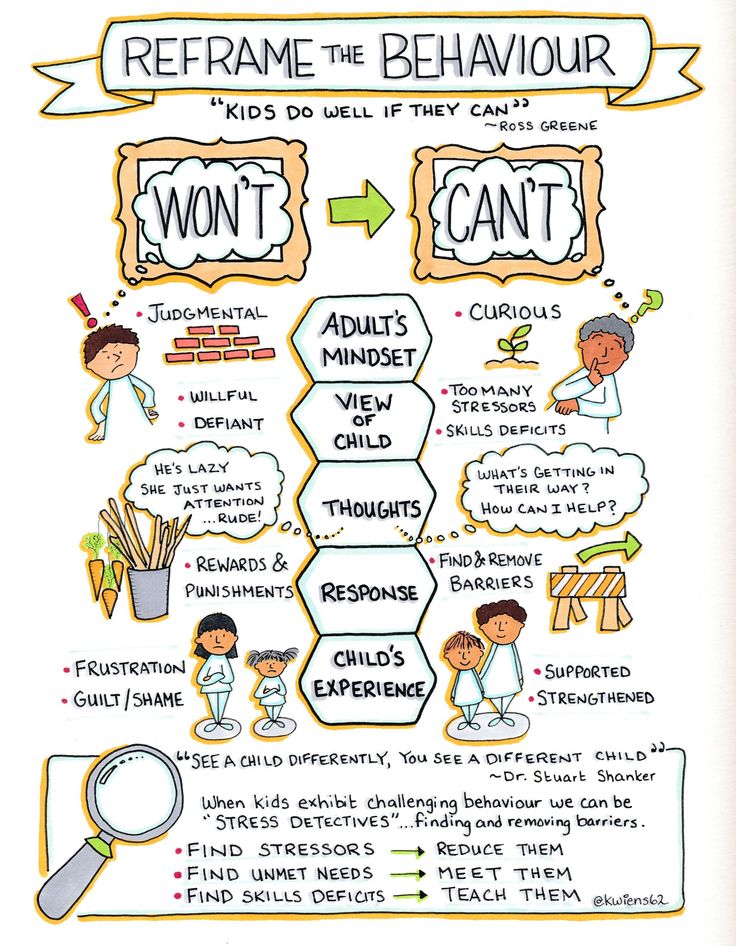
When I talk about reframing in the context of parenthood, I mean choosing to see difficult situations in a new light. As peaceful parents, we know that children do well when they can and, when they can’t, they need our help. Not our wrath. It’s so incredibly hard to honor our own emotions around frustrating incidents while affirming our children’s emotions at the same time. But, that’s what they need from us. In those moments when it becomes too much to bear, taking a breather is always a good decision. It is not a failure. It is self-consideration. When you’re ready to gain new perspective in those tough moments, prioritize empathy.

A friend of mine recently shared with me a difficult interaction she had with her young teenage daughter. The pair were engaged in a mother-daughter clothing battle over cleanliness with the teen wanting to wear her favorite hoodies over the course of several days and her mother wanting to get those hoodies washed and in good order. As we talked, my friend recognized that her daughter was likely associating comfort and safety with her favorite hoodies, which helped reduce her anxiety. So, there was likely a genuine need for her to keep those items close at hand. My friend mentioned that she was planning to get some more hoodies to give to her daughter for Christmas, and I suggested getting two of each, which would make four as gifts and six hoodies in total including the existing pieces. Six hoodies would easily get her daughter through a school week with plenty of time for washing. Once she stepped beyond the conflict, the solution became clear.

When you’re under stress, reframing can feel impossible. It just takes practice and a little ingenuity. Your goal is to view your child in a positive rather than a negative light. With an open mind, you can peer into your child’s heart and see just what’s needed.

I asked friends to share with me some of the most stressful behaviors their children exhibit. You know, the ones that trigger something deep inside that could explode into rage at any moment? Whew! I know that feeling. Let me pause here to say that no one – not me, not you, not anyone – is a machine. Some triggers simply touch too deep, and we do end up exploding. That’s not a fail. We’re human. No way to get around that. We apologize and keep trying. And, that’s what makes us peaceful parents. With that said, I’ll note some of the behaviors that seem to really set folks off.

Aggression

Children, especially very young ones, seem to be prone to using their bodies to communicate displeasure. They may hit, bite, kick, spit, and scratch, all of which can be extremely upsetting to the adults receiving this inappropriate treatment. It’s especially infuriating when our children hurt each other, especially when it’s an older, larger sibling beating up on a smaller one. Those interactions feel an awful lot like bullying, and that’s something many of us cannot tolerate.

Children use aggression when they don’t have adequate words to express their emotions and when they’ve reached a breaking point. There are certainly cases where some children are violent due to physiological or psychological differences, but most children will lash out at one time or another. This form of communication typically peaks around age 2, but can be present throughout childhood as a child’s (including teens) brain is working primarily off emotion and not logic.

Destruction

It’s rough when “I won’t let you hit the dog” triggers a toypocalypse as your child slams all her toys onto the floor in a rage. As adults, we know the financial costs involved with destruction. Just walking through the doors of an emergency room costs several hundred dollars to start. That nice dollhouse Aunt Beverly gave your kids last Christmas? $150 down the drain as it becomes the object of a Godzilla-scale attack by a very angry little boy.

There are reasons not to get too caught up in the value of things when your child’s emotional health is on the line, but all the reasoning in the world won’t relieve the fire that burns in your gut when you see your child tearing up their belongings.

Defiance

As peaceful parents, we want to be countercultural… to view strong responses from our children as natural and healthy. But, there is just something unsettling about a child blatantly doing something we’ve said not to, refusing to eat, throwing food on the floor, and the like. It hits deep and activates our conditioning to view children as subservient and ourselves as singularly worth of respect. Even the calmest among us have a breaking point where we get so fed up, we lash out.

The Reframe

Here’s how it works. When your child does something that sends you right over the proverbial cliff, stop for a moment and recognize that there is an answer. You CAN find a solution! Breathe. Slow down. Look at your child. What’s really happening? If your child is acting in a way that disconnects them from their social group – which is totally contrary to who we are as humans – recognize that there’s a barrier your child can’t overcome no matter how disciplined they might or might not be. Your task is to figure out what that barrier is and guide your child to the solution.

Give reframing a go! Make this your New Year’s Resolution. Once you start to see through the behavior to the need, gentleness will naturally follow. And, if you need guidance to figure out how to support your child through particularly challenging behaviors, I’ll be here all year to help.

That friend I mentioned earlier graciously previewed this post for me. Coincidentally, at the same time, her young son was experiencing a crisis. He had been playing a video game, when he began crying and saying he hated everything. Initially, his father considered taking video games away altogether, but my friend read this post to him and encouraged him to wait. While their son took a breather, they brainstormed why he was acting that way.

Once they put it all together, they realized he had gotten upset when he couldn’t progress past a certain point in the game. My friend’s husband checked the settings and realized they were at a level that was far too difficult for a little boy. After adjusting the difficulty to a more age-appropriate level, he invited his son back in to enjoy a fun father-son game together. The solution was there all along! There is always an answer. You’ve just got to find it.

Disrespectful Expectations

Several weeks ago, a friend told me this story about an interaction between her tween son and her mother. Since many of us are gearing up for big family events tomorrow, this topic is something worth thinking about. My friend, a 30-something-year-old Black mother of two in Texas, had this to say:

So today she apparently asked my 12 yr old if he could help her get 2 gallons of water from her car and he said no. She came to snitch and I’m sure was trying to embarrass him and I just said “I’ll help you.” He seemed annoyed she interrupted our conversation to tell me that. My family has no respect for children. I honestly assumed he didn’t feel like it. He had just gotten home and rode his bike from school today and he was getting his snack together. I wouldn’t want to stop preparing food to get water either when it can wait. It wasn’t perishable food she was asking for help with but it honestly didn’t matter to me. I teach them ‘you can always ask but sometimes the answer is no.’

She explained further that there is some background between her son and her mother. It seems she oversteps her bounds and tries to impose her ideology on the children. My friend’s son receives her actions as judgmental. When she asked “Do you want to help me with something?” he answered literally “No” because he was busy.

I can almost see the pearl-clutching! I come from a very Southern, very authoritarian background where adults owned all rights to the labor of children and children had no right to refuse. It was considered the height of rudeness and deserving of quite a spanking. I’ll grant that a young boy who had the strength to ride his bike all the way home from school surely has the strength to go outside to grab a couple gallons of water. Plus, it’s perceived as rude not to be considerate of an elderly relative’s wishes.

Before we had our children, Peaceful Dad and I created family guidelines, and one of those guidelines is “We always choose to help.” We teach our children that we are the heart and hands of Christ to our world. We help out of love. Not obligation. And never because someone wants to assert a flawed belief that my children should be subordinate. I don’t entertain discussing my kids negatively like this grandmother did, no matter who the adult is. I will always ask the adult to speak directly to my child if there’s been a problem. I can be there for moral support, but my child needs to be part of the conversation.

Had this scenario happened in my house, I probably would have broached the topic with my son to understand his perspective while affirming that no one is obligated to help anyone. I would want my son to know that there are relationship consequences for refusing a request for help, particularly since there exists a social expectation that children are to serve adults. This is something children need to be aware of, and it’s something worth discussing as we guide our children through the trials of childism.

Her entitlement was completely inappropriate. No one has a right to anyone else’s labor. I imagine my friend’s son would have graciously agreed had his grandmother asked, “When you finish eating your snack, would mind helping me get some gallons of water out of my car?” So, let’s flip this around. Is it not also rude of an adult, knowing this child was tired and hungry, to demand assistance with a non-urgent matter while the child is in the middle of making himself something to help him recover from his long day and his long ride? Could the request not have been made in a more understanding and compassionate way wherein both of their needs could have been met?

The trouble here is that, for many adults, the outcome isn’t as important as the interaction. They say they like seeing kind, cooperative, and respectful children, but what they really expect is deference and obedience.

That’s childism!

Rudeness is a matter of perception. In this case, the requester ultimately got the help she was requesting, so the problem was solved. I don’t want to suggest that kids be encouraged to break social “rules” for the sake of being controversial. I think it’s important for children to be aware of expectations and cultural consequences. But, at the same time, we also need to be holding adults accountable for how they interact with kids, and we need to instill self-confidence and self-worth in our kids so that they know how to navigate social expectations with grace and wisdom.

If a child is uncomfortable with a request being made of them, we can be there to help guide the conversation. Otherwise, we can give kids room to work out their own relationships and support them in upholding boundaries… even with elderly relatives. And, even at big family events.

I asked my friend what had changed since her own childhood that caused her to support her son in his interaction with her mother. She said:

In the past I would have felt pressured into forcing him to do something he didn’t want to do. When my daughter came along I realized that I was raising my kids differently than I was raised and than the kids in my family were being raised. One day my grandma asked my 1 year old for a hug at easter and my nephew who was about 4 said she “don’t do hugs.” My granny said “I don’t care, come give me a hug girl!” It was right then that I was like “oh hell no!” She is not about to force herself onto my child and traumatize her and then leave me with the job of cleaning up. So I stopped her in that moment and said “we don’t force physical contact on people,” and I looked at my daughter and said “can you wave bye bye to granny?” And she didn’t do that either and I said “maybe next time” and shrugged it off. That’s when I started looking into ways to fend off my pushy relatives because I knew there would be more situations like these in the future.

I went from spanking my son to not believing it was necessary I hardly ever took my kids out during nap time or would leave when they got tired because they just slept better at home and to prevent putting them in situations where they were over tired and would act out. Long ago, I decided that just because something is the way we’ve always done it, that doesn’t mean it’s not wrong.

Just because something is the way we’ve always done it, that doesn’t mean it’s not wrong. That is an entire lesson right there on its own! We can teach our children how to say, “I’m busy right now, but I’ll be with you as soon as I finish.” We can foster relationships in our children’s lives that meet their needs and those of the adults they care about. When the challenge in a child’s life is a social expectation, let’s allow genuineness and honesty to win out. It’s ok for children to say “not now” or even “no” to adults. Unclutch those pearls!

So, how do you instill a sense of selflessness in your kids? How do you foster the development of a human who enjoys being helpful whenever possible? I’m sure there are many ways families are doing this every day (and I’d love to hear from you in the comments!) I’ll mention one of the ways that has been invaluable for my family. We include our children in our everyday lives. Sounds pretty simple, but it takes planning and patience. It can be difficult to allow kids to help in their own developmentally appropriate ways. It’s messy and time consuming, but it is wonderfully affirming for your child! If you’d like to try it out, the key is to resist the urge to do things for your children. Don’t take over. If you want to insert yourself into the activity, help out! Demonstrate by modeling what’s expected. Openly speak with your child about the expected outcome, step by step. Children don’t know the process to get to an end result until they learn it. For example, including children in putting laundry away might look something like this:

  • Parent invites the child to help
  • Child accepts
  • Parent quickly explains what’s about to happen – “We’re going to take the clothes out of this laundry basket, fold them neatly, put them back into the basket, and then put them into their drawers. I’ll help you!”
  • Parent demonstrates how to fold an item of clothing and hands some clothes to the child
  • Parent and child go through the steps together

Many children will likely not be able to fold to an adult’s expectation, be able to open drawers and sort, and the like. Some direction is helpful, but allowing the child to try and accepting their effort as is goes a long way to instilling a love of helping in a child. And, start young. Thank your infant for helping you pick up toys even if it becomes a game. There are so many ways to include and appreciate kids. You and your child will figure it out together.

Squaring Santa

Most people would agree that there’s nothing troubling about millions of adults working together to convince children – and only children – of a lie. However, if an adult did such a thing to an adult, it would be met with something less than delight. Is it an innocent tradition or an example of how pervasive and deep-seated childism really is? It’s worth a discussion at the very least.

Let me say at the start here that I am not judging what you do. I’m not suggesting we burn down modern-day Christmas into a heap of social justice-scented ashes. I do, however, wonder if we’ve thoroughly thought this through and if, maybe, there’s a better option.

Childism, A Graphic Explanation

The Jolly Man in Red

Our favorite jolly man in red arrived in New York for the first time by way of Dutch immigrants in the late 1700s. It wasn’t until the mid-1800s that Christmas became a big shopping holiday, and Santa got a big boost. He was, after all, the face of Christmas! Around that time, in 1823, minister Clement Clarke Moore wrote “An Account of a Visit from St. Nicholas” in which Santa was conceptualized as a magical man who flew from house to house in a reindeer-drawn sleigh. Years later, in 1881, Thomas Nast, a political cartoonist, drew his vision of Santa based on Moore’s poem. His drawing of a man with white beard, red suit, North Pole workshop with elves, and lovely wife Mrs. Claus, solidified our national image of the portly, jolly fellow. For all intents and purposes, Santa Claus is only 196 years old, which is fairly recent considering the expanse of human history. His story was written when my great-great-great-grandparents were children.

The Real Santa Claus

As you may already know, Santa Claus is the modern incarnation of a real man, Nicholas of Myra. He was born in the 3rd century and grew up to become a bishop. Because of his faith, Nicholas was arrested and imprisoned by Roman Emperor Diocletian who had a terrifying reputation for persecuting Christians. In fact, he imprisoned so many Christians that the prisons could no longer accept criminals for a time.

Nicholas, now famously, threw bags of gold into the home of a poor nobleman who couldn’t afford the dowries his daughters required in order to be married. Although the act was done is secret, the nobleman found him out and anonymous gifts began to be attributed to Bishop Nicholas. Legend tells that the gold landed in stockings or shoes that were left by the fire to dry. This is where our custom of stockings derives.

How My Family Honors Saint Nicholas

Since we are Orthodox Christians, we have a special feast day during which we honor St. Nicholas: December 6th (which is December 19th on the Gregorian calendar). In my family, this is the day our children receive their stockings. Prior to St. Nicholas Day, we choose a family service activity to do together in reflection of the good works done by St. Nicholas in his day. We also read a book about St. Nicholas and his works on the evening of December 5th, and we choose toys to donate for other children to enjoy.

On St. Nicholas Day eve, the children receive their stockings! Each year, their stockings contain:

  • Money (for their savings accounts): Representing the money St. Nicholas threw into the window of a poor nobleman’s house.
  • A Toy: Representing the toys St. Nicholas commissioned a toymaker to make for children whose families couldn’t afford any.
  • A Prayer Related Gift: Representing the saint’s devotion to God.
  • A Treat: Representing the food he would give to people who were hungry; including a candy cane to represent his staff.
  • Clothing: Representing the clothes St. Nicholas gave to people who couldn’t afford any.

We do not participate in the modern myth of Santa Claus, because we already celebrate the real man! Our children aren’t old enough to spill the beans to other children, so to speak, but our plan is to explain to them that other families have traditions they hold dear, and we respect those traditions out of care for our family and friends. We will also tell them all about St. Nicholas and encourage them to tell their friends about all the wonderful things he did. If they are pressed to tell if they believe in Santa Claus, they will be able to say “Yes, I believe in St. Nicholas!” and leave it at that.

I recognize that other parents, including Peaceful Parents, enjoy the Santa Claus tradition. My intention is not to be abrasive or cruel, so while I want to encourage people to think through how the tradition may impact kids, I do not advocate purposely interfering with how other families celebrate Christmas.

Addressing the Childism in the Myth

Why do we not view the Santa Claus myth as childist? I ask to generate contemplation; not to judge. Here are some of the reasons that gave me pause when Peaceful Dad and I considered how we would handle Santa.

  • If it looks like a lie and behaves like a lie, it’s probably a lie. It’s a culturally acceptable one, but it’s a lie nonetheless and we consider lies coming from our kids to be unacceptable. It’s a double-standard.
  • Santa Claus is used in popular culture to manipulate children into “being good.” Even if families don’t do this themselves, their children are still going to be exposed to this mentality outside of their homes.
  • Children are often heartbroken and embarrassed when they learn the truth.
  • Caring parents have been compelled to manufacture even more lies to explain away the Santa myth in a less destructive way.
  • When parents talk about when and whether they should tell their children the truth about Santa, invariably, their decisions are based at least in part on how the parents feel about this developmental milestone. It’s not really about the kids.
  • Lying about Santa isn’t the only way to engender the Christmas Spirit.
  • Bonus: Santa rose to fame as a result of the commercialization of Christmas. The modern image of Santa was first used to sell a cartoonist’s work and then used to sell Christmas products in the 19th century stores. Not exactly the pure Christmas tradition we like to think about.

As a Peaceful Parent, will you take all of this into consideration? What are some other ways we can include Santa Claus at Christmastime that don’t involve culturally-encouraged deception?

The Complete Layperson’s Guide to Melatonin for Kids

Disclaimer: Nothing stated in this post should be construed as an alternative to diagnosis and treatment by a medical professional. I am not qualified to provide medical advice.


If you’re anything like me, you’ve heard of the near miraculous wonders of melatonin supplementation. You may have also heard some of the not so great effects. So, let’s get down to the truth with our dear friend, science.

Use the Navigation links below to jump to sections of interest or read through for all the knowledge.

Navigation

What is Melatonin and What Does it Do?

Dosage

Clinical Guidelines

Possible Safety Issues

The Studies

Assessment of the Evidence

Promoting Better Sleep

The Bottom Line

What is Melatonin and What Does It Do?

Melatonin (5-methoxy-N-acetyltryptamine) is a fat-soluble hormone that confers widespread health benefits and is produced in the pineal gland of the brain as well as by the retina of the eye and by the gastrointestinal tract. Production of endogenous (meaning made by the body) melatonin is triggered by darkness, and it typically peaks between 11 PM and 3 AM. Our bodies’ ability to produce melatonin decreases with age.

Melatonin “plays the role of a universal endogenous synchronizer” which, in addition to helping to maintain the wake-sleep cycle, also influences hemostasis, glucose homeostasis, phosphocalcic metabolism, blood pressure, and antioxidant defenses. In other words, melatonin stabilizes the circadian rhythms in the body, thereby impacting the body’s ability to coagulate blood, maintain normal blood glucose levels and blood pressure, metabolize phosphate and calcium for functions such as bone mineralization, and defend against the damage caused by free radicals.

Exogenous (meaning man-made) melatonin supplements can be made one of two ways. Either from the pineal glands of animals, which can be dangerous due to the potential for viral contamination, or as a synthetic product that is manufactured in a lab. Most commercial supplements are synthetic. Plant-based supplements are in the pipeline and melatonin naturally exists in the foods we eat as forms of it are produced by living organisms from animals to bacteria to algae to plants and beyond.

Melatonin is now being studied for other applications such as fertility support, reduction of the symptoms of endometriosis and PCOS, treatment of certain cancers, treatment of osteoporosis treatment as it may increase bone density, immune support, pain management, improvement in breathing for people with COPD, treatment for Ebola, protection against neurodegenerative diseases, prevention of Type 2 diabetes, and more. While exogenous melatonin appears to be a promising component of treatments across a variety of conditions, little is known about its dose-response relationships.

Dosage

Back in 1994, Dr. Richard Wurtman, professor of neuroscience at MIT, led a team that confirmed where melatonin was produced in the body and how it functioned. His team discovered that a dose of 0.3 milligrams of melatonin helped older adults fall asleep faster and get back to sleep if they woke up in the night. However, researchers also discovered that commercial melatonin contained 10 times the effective dose, which, when taken regularly, ultimately overwhelms melatonin receptors in the brain, causing them to become unresponsive. At the time, he warned that “People should not self-medicate with melatonin.”

Studies to date have utilized pharmaceutical grade melatonin that is strictly regulated and certified to contain the ingredients in the appropriate proportions as labeled. Under these controlled conditions, substantive support exists for the presence of a plateau effect in adults with doses higher than 0.3 milligrams; the maximum effect being achieved at low doses with decreasing effectiveness in doses exceeding 1 milligram. In addition, there is some evidence that exogenous melatonin requires dosage over the course of a few days to achieve detectible effectiveness, and that it may increase in effectiveness over the course of time until the benefits plateau. The half-life of melatonin is less than one hour, which means that its usefulness from a given dose is short-lived. Some pharmaceutical grade melatonin medications have extended-release formulations to help improve the usefulness of the drug. It is unclear whether or not single doses of melatonin are effective.

High doses of exogenous melatonin have been demonstrated to desensitize receptors in the brain, thereby eventually making supplementation ineffective. However, without clear guidelines on appropriate dosing, the level at which overdose occurs remains unknown. Unfortunately, a 2017 analysis out of Canada found egregious mislabeling of melatonin supplements with counts varying from −83% to +478% of labeled melatonin. Chewable tablets suffered from the highest variability with one tablet containing nearly 9 milligrams of melatonin when it was labeled as 1.5 milligrams. Capsules suffered the greatest variability among lots. And, liquids had the greatest levels of stability, though they too were highly inconsistent. Oral and sublingual tablets with few ingredients proved the least variable of all the options. However, many of the supplements also contained impurities, including serotonin which has known effects and should not be taken by accident.

There is no known safe dose or dosing frequency for children.

Clinical Guidelines

In 2017, a task force from the American Academy of Sleep Medicine conducted a systematic review of the available literature to identify randomized controlled trials. Based on the evidence, this task force established recommendations for use by medical professionals. The task force listed 14 types of sleep aids and noted whether they were recommended for use or not. They advised clinicians not to use melatonin as a treatment for sleep onset and sleep maintenance insomnia.

Melatonin supplements may be contraindicated if a person has:

  • An allergy to the ingredients
  • Diabetes
  • Depression
  • Hemophilia
  • High or Low Blood Pressure
  • Epilepsy or Other Seizure Disorder
  • Conditions requiring Immunosuppressants
  • An Autoimmune Condition

Or is using:

  • Blood Thinners
  • Sedatives or Tranquilizers

Also, it is unknown whether melatonin supplements are safe during pregnancy or breastfeeding. High doses of melatonin may present fertility problems by affecting ovulation.

Possible Safety Issues

In 2015, Dr. David Kennaway conducted a review of the evidence for melatonin use in children, which was published in the Australian Journal of Paediatrics and Child Health. He determined that melatonin can produce “small advances in the timing of sleep onset” in both adults and children, but that there have “no appropriate studies to show that melatonin is safe in the long term for children or adults.” Use in children is always an off-label application of this hormone. He noted that, as a hormone, melatonin directly impacts the endocrine system and that long-term use may result in future “endocrine or other abnormalities.” He recommended that melatonin be prescribed only following a “biochemical diagnosis of an underlying sleep timing abnormality and after full disclosure to the carers of information about the known actions of melatonin on reproductive and other systems.”

In the United Stated, melatonin is considered a supplement. Therefore, it is generally unregulated by the Food and Drug Administration (FDA) and consumers have no guarantees regarding the safety of the commercial melatonin they purchase.

The Studies

When I began to seek out studies, I discovered thousands of papers that mentioned the term “melatonin.” In order to refine the list, I began by excluding studies published before 2009 and including only studies conducted on humans and written in/translated into English. From this list, I sorted by relevance and chose 175 to skim for abstracts. Then, I selected 80 to read in full, which resulted in a final resource list of 23 papers having targeted relevance. These studies involve research in countries around the world. I have grouped them by year for ease in assessing the progression of the research and recommendations.

2009

The effect of prolonged-release melatonin on sleep measures and psychomotor performance in elderly patients with insomnia
https://www.ncbi.nlm.nih.gov/pubmed/19584739
doi: 10.1097/YIC.0b013e32832e9b08

OBJECTIVE: To investigate the effects of prolonged-release melatonin 2 mg (PRM) on sleep and subsequent daytime psychomotor performance in patients aged 55 years and older with primary insomnia.

FINDINGS: By the end of the double-blind treatment, the PRM group had significantly shorter sleep onset latency and scored significantly better on a psychomotor performance test than the placebo group.

2011

Melatonin for disordered sleep in individuals with autism spectrum disorders: systematic review and discussion
https://www.ncbi.nlm.nih.gov/pubmed/21393033
doi: 10.1016/j.smrv.2011.02.001

OBJECTIVE: To provide a systematic review of efficacy and safety of exogenous melatonin for treating disordered sleep in individuals with ASD.

FINDINGS: The literature supports the existence of a beneficial effect of melatonin on sleep in individuals with ASD, with only few and minor side effects. However, these conclusions cannot yet be regarded as evidence-based. Randomized controlled trials and long-term follow-up data are still lacking.

Prolonged release melatonin in the treatment of primary insomnia: evaluation of the age cut-off for short- and long-term response
https://www.ncbi.nlm.nih.gov/pubmed/21091391
doi: 10.1185/03007995.2010.537317

OBJECTIVE: To evaluate the age cut-off from a previous study for response to PRM and the long-term maintenance of efficacy and safety by looking at the total cohort (age 18-80).

FINDINGS: At 3 weeks, significant differences in favor of PRM vs placebo were found for the 55-80 year population but not the 18-80 year cut-off which included younger patients. Other variables improved significantly with PRM in the 18-80 year population more so than in the 55-80 year age group. No withdrawal symptoms or rebound insomnia were detected.

2012

Melatonin for sleep in children with autism: a controlled trial examining dose, tolerability, and outcomes
https://www.ncbi.nlm.nih.gov/pubmed/22160300
doi: 10.1007/s10803-011-1418-3

OBJECTIVE: To assess dose-response, tolerability, safety, feasibility of collecting actigraphy data, and ability of outcome measures to detect change during 14-week intervention on children aged 3-10 years with a clinical diagnosis of an autism spectrum disorder who were free of psychotropic medications and whose parents reported sleep onset delay of 30 minutes or longer on three or more nights per week.

FINDINGS: Researchers documented an improvement in sleep latency with melatonin treatment. Because the study criteria were designed to enroll children with sleep-onset delay, they could not definitively comment on the effects of melatonin on sleep duration or night wakings.

2014

Optimal dosages for melatonin supplementation therapy in older adults: a systematic review of current literature
https://www.ncbi.nlm.nih.gov/pubmed/24802882
doi: 10.1007/s40266-014-0178-0

OBJECTIVE: To define the optimal dosage of exogenous melatonin administration in disorders related to altered melatonin levels in older adults aged 55 years and above by determining the dose-response effect of exogenous administered melatonin on endogenous levels.

FINDINGS: Based on a systematic review of 16 articles from 1980 to 2013, nine of which were randomized controlled trials, the best applicable dosage for melatonin for older adults still cannot be adequately determined, as endogenous melatonin levels are subject to altered pharmacokinetics and -dynamics. This causes the risk of prolonged and elevated endogenous melatonin levels after exogenous melatonin administration in older adults. The researchers advise the use of the lowest possible oral dose of immediate-release formulation melatonin to best mimic the normal physiological circadian rhythm of melatonin and to avoid prolonged, supra-physiological blood levels.

The effectiveness of melatonin for promoting healthy sleep: a rapid evidence assessment of the literature
https://www.ncbi.nlm.nih.gov/pubmed/25380732
doi: 10.1186/1475-2891-13-106

OBJECTIVE: To critically assess the available peer-reviewed literature on the use of melatonin in military service members and in healthy subjects to determine whether melatonin might be useful in military populations.

FINDINGS: The use of melatonin by healthy adults shows promise to prevent phase shifts from jet lag and improvements in insomnia, but to a limited extent. For the initiation of sleep and sleep efficacy, the data cannot yet confirm a positive benefit.

Melatonin in children with autism spectrum disorders: endogenous and pharmacokinetic profiles in relation to sleep
https://www.ncbi.nlm.nih.gov/pubmed/24752680
doi: 10.1007/s10803-014-2123-9

OBJECTIVE: To describe overnight endogenous and PK melatonin profiles in children aged 3-8 years with ASD participating in open-label trial of melatonin for sleep onset insomnia.

FINDINGS: In children with ASD and insomnia responsive to treatment with supplemental melatonin, evidence exists for normal endogenous melatonin profiles. Furthermore, despite a relatively short duration of action of supplemental melatonin, night wakings improved in most children with treatment. This raises the possibility that supplemental melatonin may be influencing sleep onset delay and night wakings by mechnanisms other than simply replacing melatonin.

2015

The effect of melatonin treatment on postural stability, muscle strength, and quality of life and sleep in postmenopausal women: a randomized controlled trial
https://www.ncbi.nlm.nih.gov/pubmed/26424587
doi: 10.1186/s12937-015-0093-1

OBJECTIVE: To document the safety of melatonin in postmenopausal women given evidence from previous studies that suggests a protective role of melatonin against osteoporosis through an increase of bone mineral density.

FINDINGS: Melatonin in a daily dose of 1 or 3 mg is safe to use in postmenopausal women with osteopenia. There is no long term hangover effect causing a reduction in balance- and muscle function or quality of life. In women with poor quality of sleep, small doses of melatonin trended towards improving quality of sleep.

Current role of melatonin in pediatric neurology: clinical recommendations
https://www.ncbi.nlm.nih.gov/pubmed/25553845
doi: 10.1016/j.ejpn.2014.12.007

OBJECTIVE: To establish a consensus on the roles of melatonin in children and on treatment guidelines at a conference in Rome in 2014.

FINDINGS: So far, the best evidence for the indication of melatonin treatment in children is for insomnia caused by circadian rhythm sleep disorders. Because insomnia due to other situations and disorders, including bad sleep hygeine, ADHD/ADD, personality disorders and depression, can mimic insomnia caused by circadian rhythm sleep disorders, the diagnosis should only be made after careful clinical assessment and possibly measuring dim light melatonin onset (DLMO). Melatonin can be effective not only for primary sleep disorders but also for sleep disorders associated with several neurological conditions. Controlled studies on melatonin for sleep disturbance in children are needed since melatonin is very commonly prescribed in infants, children and adolescents, and there is a lack of certainty about dosing regimens. The dose of melatonin should be individualized according to multiple factors, including not only the severity and type of sleep problem, but also the associated neurological pathology.

Melatonin Treatment in Children with Developmental Disabilities
https://www.ncbi.nlm.nih.gov/pubmed/26055866
doi: 10.1016/j.jsmc.2015.02.008

OBJECTIVE: To provide a succinct summary to help inform clinical and research practices for children with developmental disabilities (i.e. children with unspecified developmental delays or cognitive impairments and specific disorders/syndromes including ASD, Smith-Magenis syndrom, Angleman’s syndrom, fragile X syndrom, Down syndrom, and Rett syndrome).

FINDINGS: Following a review of a number of studies and a meta-analysis by Braam and associates, researchers determined that melatonin treatment yields beneficial effects with minimal side effects. However, melatonin is not approved by the US Food an Drug Administration and no drug is approved for use in pediatric insomnia (as of the time of this study).

Potential safety issues in the use of the hormone melatonin in paediatrics
https://www.ncbi.nlm.nih.gov/pubmed/25643981
doi: 10.1111/jpc.12840

OBJECTIVE: To provide information on the documented actions and properties of melatonin outside its ability to alter sleep timing that have been widely ignored but which raise questions about the safety of its use in infants and adolescents.

FINDINGS: Melatonin is increasingly being prescribed off lable for children and adolescents for difficulty in initiating and maintaining sleep. There is extensive evidence from animal and human studies that melatonin acts on multiple physiological systems, including the reproductive, cardiovascula, immune, and metabolic systems. Long-term safety studies on children and adults are lacking. Prescription of melatonin to any child whether severely physically or neurologically disabled or developing normally should be considered only after the biochemical diagnosis of an underlying sleep timing abnormality and after full disclosure to the carers of information about the known actions of melatonin on reproductive and other systems and the disclosure that there is a lack of appropriate studies conducted on children. Should endocrine or other abnormalities appear in the future in children previously treated with melatonin, it will not be tenable to argue that were were surprised.

2016

The Safety of Melatonin in Humans
https://www.ncbi.nlm.nih.gov/pubmed/26692007
doi: 10.1007/s40261-015-0368-5

OBJECTIVE: To present and evaluate the literature concerning the possible adverse effects and safety of exogenous melatonin in humans and provide recommendations concerning the possible risks of melatonin use in specific patient groups.

FINDINGS: A substantial number of both animal and human studies document that short-term use of melatonin is safe, even in extreme doses. No studies indicate that exogenous melatonin possesses any serious adverse effects. Also, randomized clinical studies indicate that long-term administration only induces mild adverse effects comparable to placebo treatment. Due to a lack of human studies, pregnant and breastfeeding women should not take exogenous melatonin. Also, long-term safety of melatonin in children and adolescents requires further investigation.

Melatonin Supplementation for Children With Atopic Dermatitis and Sleep Disturbance: A Randomized Clinical Trial
https://www.ncbi.nlm.nih.gov/pubmed/26569624
doi: 10.1001/jamapediatrics.2015.3092

OBJECTIVE: To evaluate the effectiveness of melatonin supplementation for improving the sleep disturbance and severity of disease in children with AD.

FINDINGS: Sleep-onset latency shortened by 21.4 minutes after melatonin treatment compared with after placebo. Melatonin supplementation is a safe and effective way to improve the sleep-onset latency and disease severity in children with AD.

2017

Evidence for the efficacy of melatonin in the treatment of primary adult sleep disorders
https://www.ncbi.nlm.nih.gov/pubmed/28648359
doi: 10.1016/j.smrv.2016.06.005

OBJECTIVE: To assess the evidence base for the therapeutic effects of exogenous melatonin in treating primary sleep disorders.

FINDINGS: Results from the meta analysis showed the most convincing evidence for exogenous melatonin use was in reducing sleep onset latency in primary insomnia, delayed sleep phase syndrome, and regulating the sleep-wake patterns in blind patients compared with placebo.

Melatonin Natural Health Products and Supplements: Presence of Serotonin and Significant Variability of Melatonin Content
http://jcsm.aasm.org/ViewAbstract.aspx?pid=30950&_ga=2.259319754.190833121.1571016443-900543218.1571016443
doi: 10.5664/jcsm.6462

OBJECTIVE: To quantify melatonin in 30 Canadian commercial supplements, comprising different brands and forms and screen supplements for the presence of serotonin.

FINDINGS: Melatonin content was found to range from -83% to +478% of the labeled content. Additionally, lot-to-lot variable within a particular product varied by as much as 465%. This variability did not appear to be correlated with manufacturer or product type. Furthermore, serotonin was identified in eight of the supplements at levels of 1 mg to 75 mg. Melatonin content did not meet label within a 10% margin of the label claim in more than 71% of supplements and an additional 26% were found to contain serotonin. It is important that clinicians and patients have confidence in the quality of supplements used in the treatment of sleep disorders. To address this, manufacturers require increased controls to ensure melatonin supplements meet both their label claim, and also are free from contaminants, such as serotonin.

2018

The use and misuse of exogenous melatonin in the treatment of sleep disorders
https://www.ncbi.nlm.nih.gov/pubmed/30148726
doi: 10.1097/MCP.0000000000000522

OBJECTIVE: To explore the evidence for using exogenous melatonin in the treatment of sleep disorders, both primary and secondary, in children and adults.

FINDINGS: There is evidence for the efficacy of melatonin in the management of insomnia and some intrinsic disorders of circadian rhythm in adults and children as well as in reducing sleep onset latency in jet-lag and shift work disorder in adults. Melatonin is used routinely in the treatment of rapid-eye movement sleep-behaviour disorder despite limited trial evidence. Increasingly, dual melatonin receptor agonists are being trialed in a variety of sleep disorders. Long-term adverse effects are currently not fully identified.

Sleep disorders during childhood: a practical review
https://www.ncbi.nlm.nih.gov/pubmed/29502303
doi: 10.1007/s00431-018-3116-z

OBJECTIVE: To discuss the normal sleep
development and needs in children, and we will provide an
overview of sleep disorders, based on the 3rd edition of the
International Classification of Sleep Disorders [ICSD-3].

FINDINGS: Melatonin is an effective, safe, and well-tolerated agent, particularly in cases of sleep-initiation insomnia caused by circadian factors. Several placebo-controlled studies of melatonin in adults and children (in some studies, as young as 3 years of age) showed that melatonin administered at bedtime reduces sleep-onset latency time and increases total sleep time.

An update on pharmacotherapy of autism spectrum disorder in children and adolescents
https://www.ncbi.nlm.nih.gov/pubmed/29693461
doi: 10.1080/09540261.2018.1458706

OBJECTIVE: To review pharmacological treatment options for children and adolescents with ASD, with emphasis on recently published studies since our previous published update. We focus on randomized double-blind placebo controlled (RDBPC) trials, with at least 10 subjects. We also discuss CAM treatment options used in children
with ASD.

FINDINGS: In addition to its effect on sleep, a few RDBPC trials have shown that melatonin can improve communication, rigidity, and anxiety in children with ASD.

Pharmacological and non-pharmacological interventions for non-respiratory sleep disturbance in children with neurodisabilities: a systematic review
https://www.ncbi.nlm.nih.gov/pubmed/30382936
doi: 10.3310/hta22600

OBJECTIVE: To assess the clinical effectiveness and safety of NHS-relevant pharmacological and non-pharmacological interventions to manage sleep disturbance in children and young people with NDs, who have non-respiratory sleep disturbance.

FINDINGS: It was not possible to draw conclusions about the effectiveness of non-pharmacological interventions for managing sleep disturbance, and although there was some benefit with melatonin the degree of benefit is uncertain. There is some evidence of benefit for melatonin compared with placebo, but the degree of benefit is uncertain. There are various types of non-pharmacological interventions for managing sleep disturbance; however, clinical and methodological heterogeneity, few RCTs, a lack of standardised outcome measures and risk of bias means that it is not possible to draw conclusions with regard to their effectiveness. Future work should include the development of a core outcome, further evaluation of the clinical effectiveness and cost-effectiveness of pharmacological and non-pharmacological interventions and research exploring the prevention of, and methods for identifying, sleep disturbance. Research mapping current practices and exploring families’ understanding of sleep disturbance and their experiences of obtaining help may facilitate service provision development.

Could long-term administration of melatonin to prepubertal children affect timing of puberty? A clinician’s perspective (2018)
https://www.dovepress.com/could-long-term-administration-of-melatonin-to-prepubertal-children-af-peer-reviewed-fulltext-article-NSS
doi: 10.2147/NSS.S181365

OBJECTIVE: To summarize
some of the current knowledge about the potential effects of exogenous melatonin on puberty

FINDINGS: This review suggests that the role of melatonin in sexual maturation and the timing of puberty is understudied in humans. The three human studies that have examined the question have done so as an ancillary research question in small samples of children and youth, some of whom had neurodevelopmental disorders. This limits the generalizability to the general population and is insufficient evidence to draw conclusions for patients with mental health and neurological disorders. Further experimental studies on the impact of melatonin on puberty, notably in non-seasonal mammals, and advances in the research about the intermediary processes between melatonin and kisspeptin activation, could ultimately inform us about the potential influence of exogenous melatonin on puberty.

The effects of melatonin administration on disease severity and sleep quality in children with atopic dermatitis: A randomized, double-blinded, placebo-controlled trial
https://www.ncbi.nlm.nih.gov/pubmed/30160043
doi: 10.1111/pai.12978

OBJECTIVE: To determine the effects of melatonin administration on disease severity and sleep quality in children diagnosed with atopic dermatitis (AD).

FINDINGS: Following 6 weeks of intervention, melatonin supplementation significantly improved SCORAD index, serum total IgE levels, and CSHQ scores. Though melatonin had no significant impact on pruritus scores, high sensitivity C-reactive protein, sleep-onset latency, total sleep time, weight and BMI compared with placebo. Overall, melatonin supplementation had beneficial effects on disease severity, serum total IgE levels and CSHQ among children diagnosed with AD.

2019

Exogenous melatonin as a treatment for secondary sleep disorders: A systematic review and meta-analysis
https://www.ncbi.nlm.nih.gov/pubmed/29908879
doi: 10.1016/j.yfrne.2018.06.004

OBJECTIVE: To determine the efficacy of exogenous melatonin versus placebo in managing secondary sleep disorders.

FINDINGS: Meta-analysis of the data from a series of studies with small sample size demonstrates that exogenous melatonin improves the sleep quality of secondary sleep disorders. Based on the current advantages of melatonin in the management of secondary sleep disorders, it is hoped that there will be a tremendous growth in the use of melatonin application worldwide. Besides, little evidence is available regarding the adverse effects of long-term use of melatonin. Clinicians should be alert to these shortcomings but also aware of the potential role of melatonin in clinical psychiatry and sleep medicine.

Advances of Melatonin-Based Therapies in the Treatment of Disturbed Sleep and Mood
https://www.ncbi.nlm.nih.gov/pubmed/31123831
doi: 10.1007/164_2018_139

OBJECTIVE: To review the role of melatonin in the circadian regulation of sleep and mood and the phase-shifting and sleep-promoting properties of exogenous melatonin and melatonin agonists and outline how melatonin and melatonin agonists might be used for treatment of various sleep and mood disorders.

FINDINGS: The phase-shifting and sleep-promoting effects of melatonin plus additional effects of melatonin agonists on melatonin and serotonin receptors have shown promise for novel treatments for a variety of circadian, sleep and mood disorders. Importantly, the main advantage melatonin and its agonists offer over traditional sleep and depression treatments is that they assist to restore circadian function which is often misaligned in these disorders and which is increasingly thought to be a causal mechanism and part of the aetiology of sleep and mood disorders. Treatments that fail to address the misaligned circadian system present in sleep and mood disorders may not fully address the underlying causes, and for this reason, further investigation on the potential for melatonin-based treatments should be undertaken.

Assessment of the Evidence

Endogenous melatonin provides widespread health benefits for the human body across many functional systems. Exogenous melatonin is strongly evidenced as an effective sleep aid for sleep onset (meaning, falling asleep) and less strongly for night wakings and other other sleep-related applications in adults aged 55 and older.

However, the literature is glaringly lacking in randomized, controlled trials as well as research on younger adults, teenagers, adolescents, children, and infants. Existing studies utilize small subject pools and short- to medium-term time frames for research, most stopping short at 3 months and few-to-none lasting more than one year. There is no evidence yet that consistent long-term use is safe for any age group. Dosing remains a challenge and a standard dosing table does not yet exist, although it has been long established that overdoses cause receptors in the brain to become unresponsive and supplementation to be rendered useless. Given the lack of information about dosing, it is impossible to determine what amount constitutes an overdose without investigative blood work. Melatonin supplements are almost entirely unregulated in the United States, so high doses are regularly consumed. While high doses don’t appear to have extreme deleterious effects on humans, the fatal dose is yet unknown. Future studies are needed to ameliorate concerns about safety, dosage, and pediatric use.

Promoting Better Sleep

While I cannot make any formal recommendations to you about whether or not to give your child melatonin, I can suggest some solutions to help with sleep outside of melatonin supplements.

  • Eating lots of fresh fruits, vegetables, whole grains, and low fat protein sources provides plenty of tryptophan as well as group B vitamins, minerals, and unrefined carbohydrates, all of which supports healthy sleep. Reach for things like salmon, poultry, eggs, spinach, seeds, milk, soy products, and nuts to get a good dose of sleep-promoting nutrients. (Source and Source)
  • Tart Montmorency cherries contain high levels of phytochemicals including melatonin. Cherry juice is a natural source of plant-based exogenous melatonin and may help support good sleep. (Source)
  • Exercise in the mornings can improve the quality of nighttime sleep by “increasing parasympathetic nerve activity.” However, high-intensity exercise in the evening should be avoided. Getting your child out for some fresh air every morning may make your bedtime routine a breeze. (Source)
  • Common wisdom says to help your child avoid blue light LED sources like smartphones, tablets, and TVs near bedtime as this type of light may suppress endogenous melatonin. (Source) However, there is also evidence that such recommendations may be misguided. (Source) Use your best judgment as you watch how nighttime blue light stimulation impacts your child.
  • In one of the studies referenced in this Guide, a young girl did not respond to melatonin treatments but was later diagnosed with bipolar disorder, medicated with risperidone, and subsequently experienced improved sleep. If your child is really struggling, it may be worthwhile to seek out age-appropriate therapy to rule out other treatable sources of difficulty. (Source)

The Bottom Line

Do melatonin supplements help your child? Unless you’re using pharmaceutical grade supplements under the strict care of a physician, my best answer is maybe. But it’s hard to know what your child really needs in the way of a dose without extensive blood work . The placebo effect is also in play to an extent. If you and your child believe the supplement works, it’ll probably work even better than the actual physiological impact, if there is one to begin with.

Will melatonin supplements seriously harm your child? Probably not, but there’s no guarantee and there are other effective options that don’t involve using unregulated supplements with potentially harmful impurities.


If you discover any errors in my work, please contact me at peacefulmom(at)peaceigive.com.

Gentle Support for Your Resistant Child

Much of the information available about Peaceful Parenting assumes your child is neurotypical and is responsive to your relational overtures. But, what happens when your child resists your every attempt? What do you do when connection hurts?

I’ve collaborated with two dear friends of mine for this post. One friend is a mom who lives in Scotland and has a son with debilitating anxiety and psychomotor overexcitability. And, the other friend is a mom who lives in South Africa and has a daughter with an unofficial diagnosis of Pathological Demand Avoidance (PDA). I’ll be using country abbreviations to refer to each with Scotland being SCT and South Africa being ZA.

Peaceful Parenting for Anxiety

We all three believe that Peaceful Parenting works for all kids, but we also recognize that a single approach will not foster connection with every child. The standard steps apply: create your own peacefulness, assess your child’s needs, foster your child’s emotional equilibrium, empathize with your child, and set gentle, reasonable limits. However, parents can stall out at that second step with their resistant kids. What are the deepest needs of a resistant child?

Kids with PDA, traumas, and other anxiety-fueled differences desperately want to connect with their caregivers, but the barriers can be insurmountable for these children to overcome on their own. Anxiety plays a massive role across a number of challenging childlike behaviors, and it’s something we can all understand. The trick is finding the unique approaches that can cut through the chaotic fog of anxiety and let your child know they are safe and wanted.

Anxiety can present in classic ways and not-so-visible ways. For many adults, anxiety manifests as talking incessantly about worries, overthinking and overanalyzing situations, indecision, being “wound up” and unable to relax, trouble concentrating, insomnia, sweating, gastrointestinal problems, and unexpected anger.

Kids often don’t know how to express their anxiety. They may complain of stomachaches or headaches a lot. They may be perfectionists. They may spend an inordinate amount of time doing small things and focus on minute details. They may delay beginning new activities. And, they may avoid social engagements. In small children, who are even less able to communicate their concerns, anxiety may also show up as things like stalling, becoming mean or aggressive, finger/toe/nail/lip/eyelash picking or biting, hair twirling, and inflexibility about their desires and/or their environment.

Sourced from Gozen.com

My friend, SCT, has learned the signs of her son’s anxious dysregulation and what she can do to help him. She says,

What I’ve found so far, and it seems to work at school too, is starting with a hands off approach. Redirecting him to go read for 15 to 20 minutes just recentres his brain. That’s if the anxiety is in the disruption phase. Funny noises, shouting, silliness, maybe something physical like jumping around. That’s usually come about as a result of being overstimulated and struggling to output it. The other little things are lip picking and adjusting his glasses repeatedly. After he’s had the quiet time, he’s more reasonable to talk to and have a cuddle.

In ZA’s case, she realized her daughter was different from infancy. She didn’t like to cuddle and would get stimulated quickly. As she grew up and became more independent, she also became happier. ZA and her husband gave their daughter plenty of respect and autonomy from a very young age, but she grew more and more resistant over time. At first, they tried common Peaceful Parenting techniques like naming feelings and hugging, but she would become enraged. They tried time outs which caused extreme separation anxiety. In their desperation, they even tried popping her on the hand, which inflamed the resistance further.

ZA learned, in speaking with professionals, that talking about feelings exacerbates anxiety in some children who can’t identify their feelings because that uncertainty is debilitating. However, it’s critical for anxious children to learn how to process feelings. It’s a very tough situation. If you’re experiencing what ZA did, she has a message for you.

Trying to explain this to the well meaning moms taking time to try and help me was either met with silence or a “Sorry, I don’t know then”, so for the most part our journey has been quite lonely as nobody understood what we were going through. It wasn’t until I found out about PDA that I’ve been able to get some advice that is applicable to us or at least some genuine understanding without raised eyebrows.

My advice for parenting a child like this is to study them and see what their tells and triggers are. Work on emotional intelligence as much as possible and teach them to recognize the signs when things are becoming too much. When they explode, dissect the hours leading up to it cause I can promise you it’s most likely been building a while. Listen if they tell you to leave them alone or to stop talking but check in and remind them you love them even when they are having a hard time. Read The Explosive Child by Ross Greene. Adjust your way of thinking how parenting should look, sometimes “giving in” is exactly what your child needs and isn’t seen as a weakness but as kindness. Be flexible, very flexible. Work on your own shortcomings and be kind to yourself when you stumble.

It is really tough parenting a child who doesn’t respond to the typical peaceful parenting strategies. It’s the toughest thing I have done in my life. In saying that, my daughter has driven me to become a much better parent and person. She’s challenged me in ways that I never thought possible and has made me grow immensely. She is an amazing, caring, insightful, funny, smart human being underneath all of her anxiety and I honestly wouldn’t trade her for anything. I can see everyday how she is growing and becoming a more confident little girl.

If you have concerns about your child’s behavior, and common Peaceful Parenting techniques aren’t helping, please consider seeing a professional for an assessment. Peaceful Parenting works for every child and every parent, but the approaches and techniques you choose have to be adapted to your child’s individual needs. Unless you figure out what your child’s needs are, you may both end up frustrated unnecessarily.

What You Can Do to Connect

Start With Empathy

Understand that your child isn’t being difficult, but rather is having difficulty. Respect your child’s feelings by not minimizing their discomfort. Rather than telling them not to worry or saying things like “You’ll be ok. It’s not that big a deal,” try to acknowledge the worry without amplifying it. Simply saying “I’m here and I won’t leave you alone” communicates a great deal to an anxious child.

As an adult and an onlooker to your child’s situation, you have a perspective that can be lifesaving. You can see if your child’s basic needs are being met and resolve any issues there. You can display empathy and let your child know you accept them as they are, anxiety and all. You can stand up for your child around other people. Instead of saying, “my child is just shy” or making other excuses, state what your child needs. “My daughter doesn’t want to play right now.” Period. Giving your child permission to boldly state their position is crucial to their ability to establish appropriate boundaries in their relationship with you and with others.

Create a Calming Area

When anxious children become dysregulated, they can’t ground themselves even if though they want to, and your efforts to intervene may escalate the crisis. That’s where a calming area can help. Create a kid-friendly space with a tent or even a blanket draped over two chairs. Put a pillow down and add in some chill out items like books about feelings, a sensory bottle, headphones or earplugs to quiet the environment, a compression or weighted vest, stress balls, sound therapy like a white or pink noise machine, or anything you’ve found that helps your child.

During calm times, before a crisis hits, ask your child if they want their calming area to be in a bustling family room or in a quiet, secluded room. It’s critical your child feels that this space is a refuge and not a punishment.

Respect Their “No”

Kids who are resistant often feel that they don’t have control in their lives, so they say “no” to protect themselves from becoming overwhelmed. It’s not meant as a challenge to you as the parent. You can respect their “no” while still communicating your requests. With my own kids, I typically set boundaries by saying things like “I can’t let you do that” but for a child with PDA, that simple statement feels far too controlling. Making requests as opposed to demands or other non-negotiable statements can help. “Would you [insert what you want the child to do]?” Or, “After you have finished what you’re doing now, could you [request].”

Model Cooperation and Appreciation

Use words like “we” and “us” to present tasks and acknowledge how difficult it is for the child to comply. “Let’s clean up together! Would you like to pick up toys or take these dishes back to the kitchen?” While you work together, offer affirmations like, “Cleaning is so much better when you do it with me. Thank you for helping!”

Social Stories

Social Stories are a social learning tool developed in 1990 by an educator called Carol Gray who came to understand that her Autistic students were missing information about common interactions and just needed someone to communicate that information in a logical way. It’s difficult being Autistic in a world where allistic people seem to automatically understand how things work. Social Stories help to bridge the communication gap between Autistic and allistic people.

However, Social Stories aren’t just for Autistic people. They help overcome all sorts of communication barriers and, because they involve pre-planning, you guessed it, they can help decrease anxiety too.

In this video, speech-language pathologist Carrie Clark delivers a comprehensive explanation of what Social Stories are, why they work, and how to create them. Please be aware that the very beginning of the video includes a mention of ableist functioning labels. Closed captions are available with this video.

The PANDA Approach

Consider the PDA Society approach, which helps to reduce resistance in anxious children. PANDA stands for Pick Battles, Anxiety Management, Negotiation & Collaboration, Disguise & Manage Demands, and Adaptation, and these tactics can be useful for other resistant children as well.

And, Here’s What ZA Does!
  • Read stories that highlight feelings
  • Verbalize your own feelings in front of your child
  • Share highlights and lowlights as a family every day
  • Adopt an anxiety-friendly framework to address anxiety around activities:
    • Use indirect requests (“It would really help me out and make me happy if you could do this for me”)
    • Tell your child exactly why what you’re asking of them is important
    • Point out the feelings attached to the activity
    • Ask if the activity is making your child anxious, nervous, unhappy, or scared but never in the midst of an anxiety attack
    • Ask your child why they think they’re having these feelings, if your child is receptive
    • Write social stories together describing step by step how the activity would go
    • Give your child space when it all becomes too much and give it plenty of time before you decide whether you should all move on or if you should address what happened

Final Thoughts

Your relationship with your child and your ability to ease anxiety can open the door to a genuinely fulfilling experience for both of you. For more tips on calming your anxious child, check out this Motherly article. And, for another fantastic resource, visit Anxious Toddlers (it’s not just for toddlers!) Please tell us what helps your anxious child the most and if there are any other resources we should know about.

Would You Devastate Your Child for $100?

How about $50? Less? I’m a numbers person and money motivates me. Not that I seek to hoard it, but that I’m careful to value it appropriately so that my family can stay afloat. I handle the family finances, so money is always on my mind.

This afternoon, my kids were having popcorn as a snack. It’s a choking hazard, but they love it, so I try to make sure they remain seated and calm so they can focus on chewing and swallowing. LL asked me for a treat that we didn’t have, and I tried to explain that to her. She flew into a rage (she’s so my child!) and knocked both her popcorn and her juice onto the floor. I ran into our adjoining kitchen to get cleaning supplies, all the way speaking empathetically to her. She really wanted that treat. She was tired. She lashed out.

In the 20 seconds I was gone, she managed to get onto the table, scurry across it, and toss her brother’s popcorn on the floor too. I came back and he looked shocked. I could see how far gone she was. She needed help. But, to be honest, I was irritated. My instinct was to snatch her up a little too hard and growl through gritted teeth. Something about wasting the food I prepared in this way seemed to touch something deep in me.

I angrily began cleaning up – normally, I’d have her help, but I was upset and I didn’t want to accidentally hurt her in my frustration. As I wiped up the juice on my hands and knees, I thought to myself, we have such a small food budget! This is such a waste. All for what exactly?? A little voice in my mind piped up, how much waste are we really talking here?

Well, let’s see:

  • Vegan Butter: $.14
  • Juice: $.15
  • Popcorn: $.10
  • Paper Towel: $.01
  • Salt: $.004
  • Cleaning Solution: $.003

Forty-one cents. For $.41, I had to hold myself back from yelling or being physically rough with a little one-year-old toddler who is less than 1/10 my size. It’s toxic. Plain and simple. A result of my culture, my upbringing, my inability to use the same logic center in my own mind that some part of me expects my kids to be able to use flawlessly.

This isn’t the first time I’ve sat down and worked out how much something cost that my kids wasted or broke, and whenever I find that number, it’s always heartbreaking. Earlier this year, my son accidentally broke a $200 TV when he was releasing after-school energy. I was in a great mental space that day, and I wasn’t angry with him at all.

I’ve been thinking about the difference between these two incidents. Why was I angrier over $.41 cents of popcorn, juice, and cleaning supplies than I was over a $200 TV? This is why.

Deep down, it felt like she was disrespecting the effort I had put into getting them cleaned up to eat, preparing their snack, serving it to them, treating them gently, and empathetically letting LL know why she couldn’t have the treat she wanted. Even though my logic tells me she’s not old enough to have any concept of what I was going through, those primal reactions still welled up in my chest.

In the end, I recovered without incident and sat down to cuddle with her. She was having a hard time and she needed me to help her regulate herself. It didn’t take long before she was ready to run off and play as though nothing had happened. Meanwhile, I was still reeling and working through what had just washed over me.

Maybe this technique will help you as it’s helped me in the past. When your child’s actions end up in a loss and you’re out some money, calculate the amount. Then, ask yourself, is the value of this thing worth devastating my child by yelling or hitting. I’d say 10/10 times, the answer is no.

If you need help figuring out what to do instead, please check out the two-part series, Punishments, Consequences, and Limits. Or, just have a cuddle with your little love.

Stop Policing That Halloween Candy

The countdown is on. Just one week to candy time! So, how does a Peaceful Parent manage the pounds of sugar coated sugar that will be making it home in little plastic pumpkins and ghostly bags?

Ok, y’all. You’ll love this trick! Here’s what you do: let them eat the candy. Yes! Let them eat as much candy as they want. Trust that your kids are learning their own limits. You see, children naturally know how to regulate their food intake… until an adult gets in the way. The less you interfere, the more able your child will be to have a positive relationship with food. I’ll be talking quite a lot about kids and food in the future, so stick around for more.

You’ll see me reference Ellyn Satter often, because I am a genuine groupie of her methods. Satter is a Registered Dietitian and Family Therapist who is the foremost expert in childhood nutrition (ok, that’s my own opinion but she’s seriously wonderful).

Here’s What You Do

Satter recommends letting your child eat their fill of the candy the night they get it and then again the following night. Then, whatever they have leftover gets divvied up over meal and snack times. Before meals, have your child choose a couple pieces of candy to place by their plate and enjoy with or after their meal, their choice. During snack times, give your child the whole caboodle to enjoy as long as snack time lasts. Taking this tack eliminates feelings of restriction and yearning for “forbidden foods” both of which can lead to a lifetime of disordered eating.

If your child is diabetic or has to restrict sugar for other medical reasons, please follow the advice of your doctor. But, if your concern is hyperactive kids, don’t worry, they’ll only be as hyper as you believe they are. And, if your concern is health, allow me to acquaint you with the concept of habituation, which refers to the way foods become less interesting the more available and frequently consumed they are. Candy will hold less sway over kids if they’re able to get the desire for it out of their systems when it is available.

But, it doesn’t need to be a completely hands-off free-for-all. Checking in with your child to help them learn to gauge their hunger level is valuable too. A visual like this hunger scale might be helpful:

Sourced from cpmgsandiego.com

Less Pukey, More Spooky

Rather than asking “haven’t you had enough yet?” try a quick briefing before it’s go time on the candy. Explain to your child that you want them to enjoy as much candy as they want to eat, but that you don’t want them to feel icky. Make sure they know that they’re going to get every last piece of candy they want whether that’s at once or over a few days, so there’s no need to stuff themselves sick.

You might show them the hunger scale and ask them to identify where they are before they start eating. Then, ask which number they want to hit before they stop eating. If the child says 10, you might remind them that throwing up doesn’t feel good at all and encourage them to downgrade that number to something less uncomfortable. After a little while, check back in. Have them pause from eating and check on how their tummy is feeling. Where are they on the scale now? How close are they to the number they picked to stop at when they first started enjoying their candy? If it’s time to stop, remind them that you’ll be pulling all the candy out again tomorrow, so they have something awesome to look forward to.

There you have it! You can stop policing that candy and take the opportunity to relish in your child enjoying one of the wonderful experiences of childhood knowing that you’re building fantastic eating skills for life.

As an aside, I’m figuring I don’t have to urge you not to play upsetting pranks on your children, like telling them you’ve eaten their Halloween candy, but I wanted to make sure that was said. It hurts my heart every year to see little kids crying on YouTube videos, because their parents have told them a lie to garner laughs and likes. Instead, you can let it be a fun experience and an educational one too.